“Not all business is good business.”
A Dallas-based mobile mechanic is drawing attention after sharing a story about a difficult customer who made an already complicated repair job even more stressful.
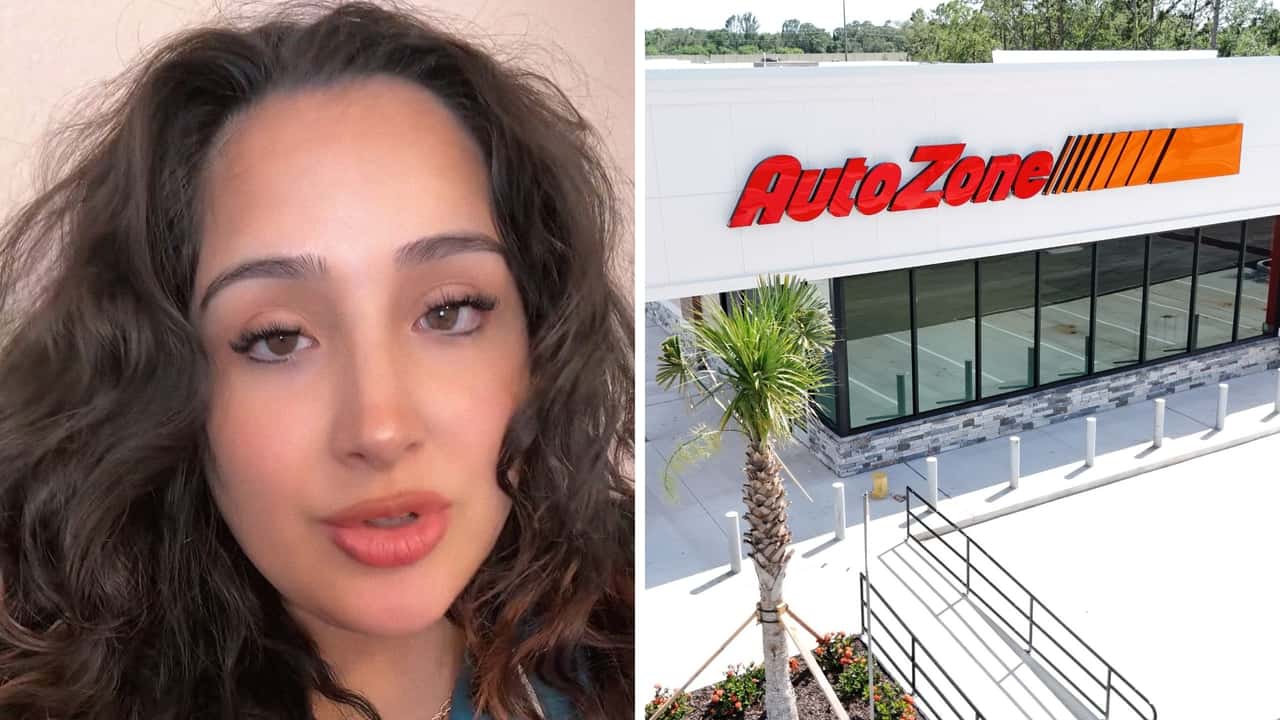
The mechanic, who posts under @habibi_mobileautoservice, used the video to ask other mechanics whether they’d ever dealt with a similar situation. In a TikTok video, she explains that the customer needed extensive work on his car and states she offered what she believed was a fair price. But the conversation took a turn when, she says, the man insisted on tagging along to buy the parts himself.
“He was very adamant that he wanted to come to AutoZone with us,” Habibi Mobile Auto Service says.
According to her, the customer wanted to shop together at the auto parts store so he could see exactly how much the parts cost and what the shop was paying. She says she offered him two options: he could purchase the parts himself, or she could handle it for him. What wasn’t on the table, she says, was turning it into a group trip.
“Now, the reason why is because he wanted to see how much we were going to get the parts for,” she explains. Habibi Mobile Auto Service adds that when her shop buys parts directly, those parts come with additional protections. If the part doesn’t work, she says, the shop replaces it for free and covers the labor.
“So, when we buy you the parts, not only are you getting the company’s warranty on the part, you’re also getting our warranty on the labor,” she says.
She concluded her video by asking fellow mechanics whether this type of request is common. As of this writing, the clip has pulled in more than 38,800 views.
Though there’s not much evidence that customers and mechanics often go parts shopping together, when a customer insists on doing so, it’s usually about two things: money and trust.
After all, car repairs are expensive, and many people carry baggage from past experiences when they felt talked into something or hit with a bill they didn’t expect.
Often, it’s about wanting to see the behind-the-scenes process for themselves. And in some cases, drivers assume buying their own parts and bringing them to the mechanic will save them a few bucks—or, they want proof they’re not being quietly marked up. From a disgruntled customer’s point of view, tagging along can feel like a way to remain in control in an often-stressful situation.
From the mechanic’s side, though, they might attempt to draw a clear boundary, as Habibi Mobile Auto Service did. For one, when a mechanic buys the part, they can usually back both the part and the labor. If something goes wrong, it can be fixed easily without another bill. In most cases, that protection is gone when a customer supplies their own parts.
And if a customer buys the wrong—or low-quality—product to save on upfront costs, the relationship between the customer and the mechanic can sour quickly. In the worst case, the mechanic must redo the same repair, which can lead to a frustrating back-and-forth over who’s responsible for the extra time and cost.
While the request from Habibi Mobile Auto Service’s customer makes sense on some level, mechanics must push back here. If you find the customer you’re servicing is skeptical about costs, it helps to be upfront about pricing, warranties, and what happens if something fails. This can help prevent tension well before anyone argues in an AutoZone parking lot.
Plenty of viewers sided with Habibi Mobile Auto Service, saying the customer’s demand crossed a line. In the comments section, many argued that asking to tag along for parts showed a misunderstanding of how auto repairs work.
“As a customer, this request is overkill,” one commenter said. “We need to understand that there is going to be an upcharge for parts, especially if it comes with a warranty to replace.”
“Tell him to go to AutoZone and open his own account,” another wrote.
Several mechanics shared their perspectives on the job. “Nobody gets to see what I paid for parts,” one wrote. “I buy parts at a discount and charge walk-in prices. I make money on parts and labor.”
“If they wanna see what we paid for parts that’s fine, I’ll GLADLY mark them up in front of them, so they can know how much money I made on the parts sale,” another mechanic said. “If I lose business over that, won’t be an issue for me.”
One viewer summed it up more simply, adding, “Not all business is good business.”
Others shifted the focus entirely, questioning why a mechanic would source parts from AutoZone. “Firstly, don’t buy at Autozone,” one person commented.
Another laid out their view in numbered list form: “1) Fire the customer. That simple. 2) Why are you getting parts [at] AutoZone?”
“A real shop does not get parts at AutoZone,” a third echoed.
In some instances, mechanics source parts from places like AutoZone (or O’Reilly), but there’s no hard-and-fast rule here. Whether they do so depends on factors such as the car and the speed at which the customer wants the repair completed.
For routine maintenance or common repairs, local or online wholesale distributors can be convenient and reliable. If a customer needs a same-day repair, sourcing a part from a store like AutoZone rather than the original equipment manufacturer (OEM) can help keep things moving quickly. Many shops also offer commercial accounts with better pricing and warranties than walk-in customers receive.
That said, AutoZone is not necessarily the default place to go for every car repair. According to Phoenix Auto Repair, mechanics for newer vehicles with specialized components or highly technical parts might be more likely to use dealership or OEM suppliers.
So, while some commenters scoff at the idea, sourcing parts from AutoZone is not unusual. It is one tool in a much larger toolbox.
Motor1 has reached out to Habibi Mobile Auto Service via a direct message on TikTok. This story will be updated if she responds.
We want your opinion!
What would you like to see on Motor1.com?
– The Motor1.com Team