‘That’s genuinely the hardest part.’
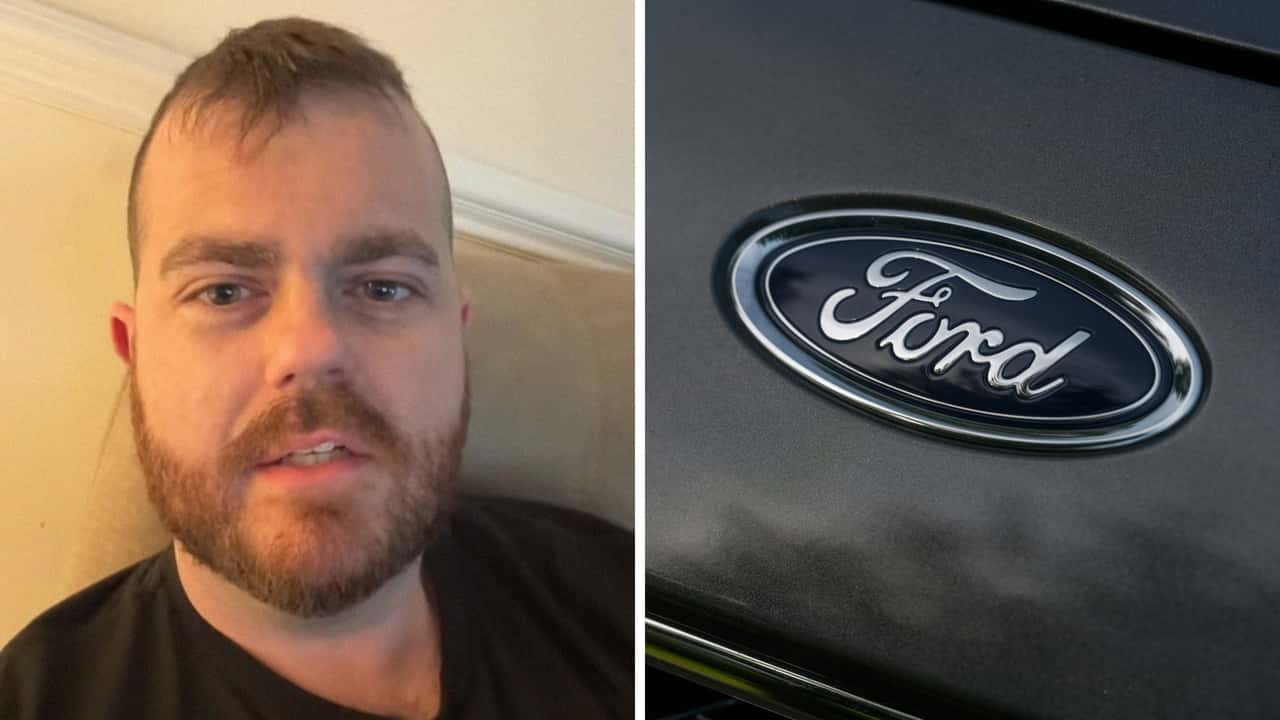
A North Carolina master technician says a customer with a 15-year-old Ford has now paid him $310 in diagnostic fees over two months for the same check engine light after first declining a $180 repair and then having her boyfriend try to fix it himself with a no-name aftermarket sensor.
AutoTechJohn (@autotechjohn), an ASE-certified master tech and independent shop owner in Wilmington, North Carolina, posted the 10-minute video on Tuesday. It has drawn more than 950 views, with comments from peer mechanics weighing in on the economics of charging for diagnostic work.
AutoTechJohn says the customer brought the car in about two months ago with a check engine light. His shop’s diagnostic protocol starts at $145 an hour plus tax ($155.15) and produces a full vehicle health report rather than a quick code read. The fault was a bad fuel pressure sensor.
“The sensor’s like a hundred bucks. The labor is like point seven of an hour or so. It’s not even a $200 repair,” AutoTechJohn says. He says the shop offers a free diagnostic if the customer approves the repair, on the basis that the diagnostic time gets absorbed into the labor ticket. She declined the repair, paid the diagnostic fee, and left.
AutoTechJohn’s $155.15 fee is within the published industry range. RepairPal, the auto-repair pricing benchmark, puts the labor cost of a check engine light diagnosis at between $122 and $233 before tax and location adjustments. A 2025 cost-of-service guide estimates the typical retail diagnostic fee at between $20 and $160 at independent shops and between $100 and $500 at dealerships.
The free-diagnostic-with-repair model AutoTechJohn describes is a common but contested practice in the trade. The industry publication Vehicle Service Pros has argued against folding diagnostic time into the repair ticket, arguing, “Which type of work in your shop typically requires the skillset of your best technician? Diagnostics.”
When the same Ford came back two months later with the same complaint, AutoTechJohn’s colleague Sean flagged the car as familiar. The owner pulled the history and re-diagnosed the same fault, which had not been addressed by a cheap replacement sensor.
“It was not a Ford sensor, and it was pretty new,” he says. “Like, you had some dust on it, but not near the amount of everything else around it. There was some little scribble on there, but nothing legible … . That’s not an NTK sensor; it’s not a Delphi, it’s not a Motorcraft; it’s not a Denso. That’s definitely some cheap chintzy Chinese parts store sensor on a Ford.”
He says he asked the customer, “Did you have somebody else go behind our diag before and replace that sensor?” She responded, “Yeah, my boyfriend did. He went in there and replaced it.”
AutoTechJohn says he laid the math out at the counter. One hundred fifty-five dollars and 15 cents for the second diagnostic versus $180 plus tax to install a quality sensor—and if she approved the repair, he would waive the second diagnostic fee.
“Instead of being $310 in the hole for the same issue, you know, like, let’s just fix it,” he says he told her. “Spending another 30 bucks and just get it fixed because I’m not going to charge you the diag if we actually fix it.”
He says she called her boyfriend from the parking lot. The verdict: the boyfriend would replace the sensor again. AutoTechJohn wrote out a sticky note with the names of acceptable sensor brands—Delphi, Motorcraft, Denso—and told her to make sure the boyfriend bought one of those.
All three are tier-one suppliers that build parts to original-equipment specification: Motorcraft is Ford’s in-house parts brand, and Denso and Delphi supply OEM components to major automakers.
The video also doubles as a defense of the diagnostic-fee model. AutoTechJohn argues that billing for the diagnostic is what allows a shop to take its time on a job that “really doesn’t take a full hour” but still requires expensive tools and trained eyes. A peer in the comments section pushed him to charge it more aggressively, not less.
CoryOnCars, an independent shop owner, posted, “Why would you devalue your great, thorough Diag and inspection by waiving the Diag fee? That’s genuinely the hardest part. Replacing parts is easy. We never have people complain about our Diag fee at $175 plus tax… some people don’t agree to the Diag fee in the beginning, and we are okay with them being a customer somewhere else.”
AutoTechJohn replied that the free-with-repair offer is a temporary new-business move while he builds his customer base and that he was likely to drop it at the shop’s one-year anniversary in July.
DinoJeep11 made the tooling argument more bluntly: “A lot of people don’t understand the scanners require a yearly price to use.” AutoTechJohn agreed and added that the scanners themselves run “$4K to $12K each to purchase, but the scanners are just the first step of a diagnostic service.”
The scanners AutoTechJohn refers to are professional diagnostic platforms, not the $30 code readers sold at parts stores. Industry buyer’s guides aimed at independent shops list mid-tier units like the Autel MaxiSys MS909 at around $2,895, while Snap-on’s flagship Zeus runs roughly $10,000+ to buy outright and about $3,000 a year in software updates—a five-year cost of ownership over $22,000.
AutoTechJohn’s broader point—that not every fuel pressure sensor on a parts-store shelf is the same—is the through-line. The brands he listed for the customer are tier-one suppliers that build sensors to OEM specification; the “no-logo” units he found in her car are typically unbranded white-label parts.
For the customer, the math has now landed. Three hundred and ten dollars in diagnostic fees, plus whatever the boyfriend spent on the failed sensor—and another sensor, presumably, still to come.
Motor1 reached out to AutoTechJohn via TikTok direct message for additional comment. We’ll be sure to update this if he responds.
We want your opinion!
What would you like to see on Motor1.com?
– The Motor1.com Team