‘Insurance went from 2k to 550.’
Car insurance costs are painful right now, especially if you live in a big city or are a younger driver; your premiums could be through the roof.
It’s understandable that people want to find ways to pay less for insurance, but beware: Some “hacks” floating around online aren’t hacks at all, but ways to commit car insurance fraud.
Don’t let saving a few hundred dollars end up getting you in even more financial trouble, and add legal troubles on top of that.
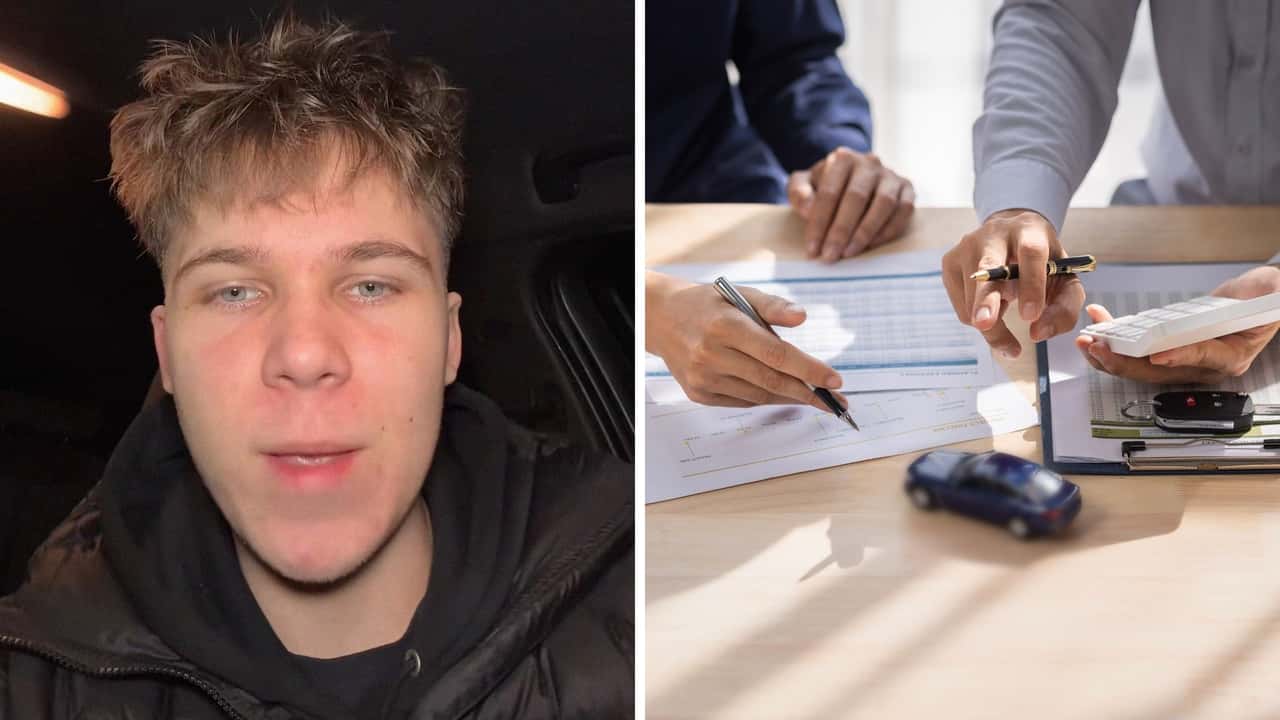
A TikTok from @theinternalledger racked up nearly a million views after the creator shared his three methods to lower your car insurance bill. The problem is that all three involve lying to your insurer, which can get your policy voided, your claim denied, or land you with a criminal charge.
“These are the three methods to lower your car insurance because I see way too many of you overpaying,” he says in the video, noting that he personally paid nearly £4,000 in his first year. “Don’t make the same mistake as me.”
The three tips he lays out:
He closes with a disclaimer, saying, “This is all for educational purposes. If you use any of these, this is your own risk. Don’t take my word as gospel. … If you get caught, don’t show them this video. Bro, I’m not the one to blame.”
“Purely for educational purposes don’t blame me when you lose your license,” he adds in the caption.
What @theinternalledger describes falls squarely under what’s known as premium evasion, which is providing false or incomplete information to qualify for a lower rate.
According to Progressive, lying about your address is illegal even if you know the person who lives there, and auto insurance fraud can be as simple as leaving out details on your application. The consequences range from policy cancellation to criminal charges, depending on the state.
According to FBI estimates, non-health insurance fraud costs over $40 billion annually, adding $400 to $700 to every family’s premiums each year, Bankrate reported.
According to Allstate, soft fraud involves exaggerating details or misrepresenting information on an application or claim. It’s more common than hard fraud.
Hard fraud involves deliberately planning or inventing a loss to collect a payout. Think staged accidents, where a driver intentionally causes a collision and a planted witness blames the other party, or planned vehicle theft, where a car owner arranges for the car to be stolen, stripped, or destroyed, and then files a claim. Both can result in jail time, but penalties for hard fraud tend to be more severe. Either way, fraud is illegal in all 50 states.
If insurance costs feel unmanageable, there are legitimate ways to bring them down. Here are some of the most effective, according to Progressive:
“Full time accountant it dropped it by 2k compared to a student,” a top comment read.
“Insurance went from 2k to 550,” a person said.
“Plus mileage is an estimate how can I [know] how many Miles [I’ll] do in the year?” another wrote.
Motor1 reached out to @theinternalledger via email and TikTok direct message for comment. We’ll be sure to update this if they respond.
We want your opinion!
What would you like to see on Motor1.com?
– The Motor1.com Team