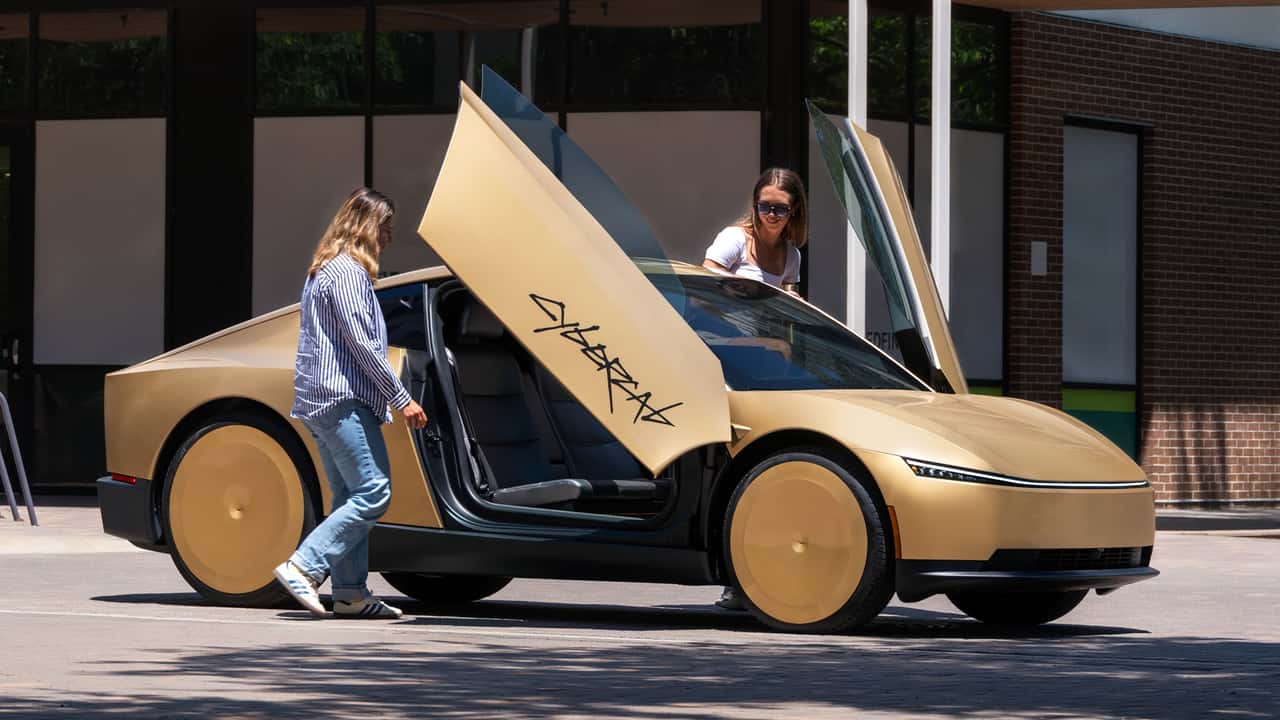
NHTSA is auditing how Tesla self-certified the steering-wheel-free Cybercab under existing US safety standards for automated robotaxis.
Tesla began charging fares for Cybercab rides in Austin on September 3, 2026. Federal safety regulators responded the same day.
The National Highway Traffic Safety Administration opened Audit Query AQ26002 covering about 1,000 Cybercabs. The focus is how the two-seat robotaxi, built with no steering wheel, pedals, or mirrors, was certified under crash rules designed for traditional cars.
The audit does not test how well the Cybercab drives itself. Regulators want to know whether Tesla used the proper process when it declared the car legal.
In a September 4 statement, NHTSA said it will review how much Tesla’s certification “depended on determinations that certain FMVSS are inapplicable to the Cybercab.” Federal Motor Vehicle Safety Standards cover items like steering columns, mirrors, and brake pedals. Tesla told the agency it considers the Cybercab compliant with every standard that applies to a car lacking those parts.
The same self-driving software and compact two-seat layout also underpin the brand’s other models. Separately, NHTSA has upgraded its probes into Tesla’s Full Self-Driving system that now covers about 3.2 million vehicles, including unsupervised robotaxi services in Texas and Florida.
Under US rules in 49 CFR Part 571, automakers certify their own compliance with safety standards. They build the vehicle, decide it meets Federal Motor Vehicle Safety Standards, then sell it without advance NHTSA approval.
NHTSA audits that paperwork after the fact and can open defect investigations if it sees problems. That system let Tesla start the Austin robotaxi rollout without waiting for signoff from Washington.
The agency has stressed that existing standards still apply in full to automated vehicles until it writes new rules. There is no separate rulebook for driverless cars yet. Tesla chose to rely on self-certification instead of seeking a formal exemption, which some rivals have used for unconventional designs.
The decision arrives soon after a robotaxi bollard crash in Austin drew attention to the new service. Amazon’s Zoox followed a different path, first self-certifying its steering-wheel-free shuttle, then securing a temporary safety standard exemption that limits it to 2,500 exempt vehicles per year through July 31, 2028.
Tesla has said it wants to expand Cybercab service to more vehicles and more cities. How fast that happens now depends in part on how NHTSA reads the company’s certification file and how it applies lessons from the Zoox case.
Motor1’s Take: The audit could slow Cybercab expansion while regulators decide whether self-certification covers a car with no steering wheel. The key question is whether a paperwork strategy can carry a wheel-free design under rules written for human-driven cars.
NHTSA could demand exemptions, order recalls, or pursue enforcement. Every automaker planning driverless fleets will be watching this one closely.
More From Tesla:
Source:
NHTSA
We want your opinion!
What would you like to see on Motor1.com?
– The Motor1.com Team