“What’s the point of coverage if…”
A dead battery, flat tire, or breakdown is frustrating enough on its own. Insurance is supposed to make those moments easier by providing a safety net. But some people find out that after you finally use it you can apparently wind up getting penalized for it.
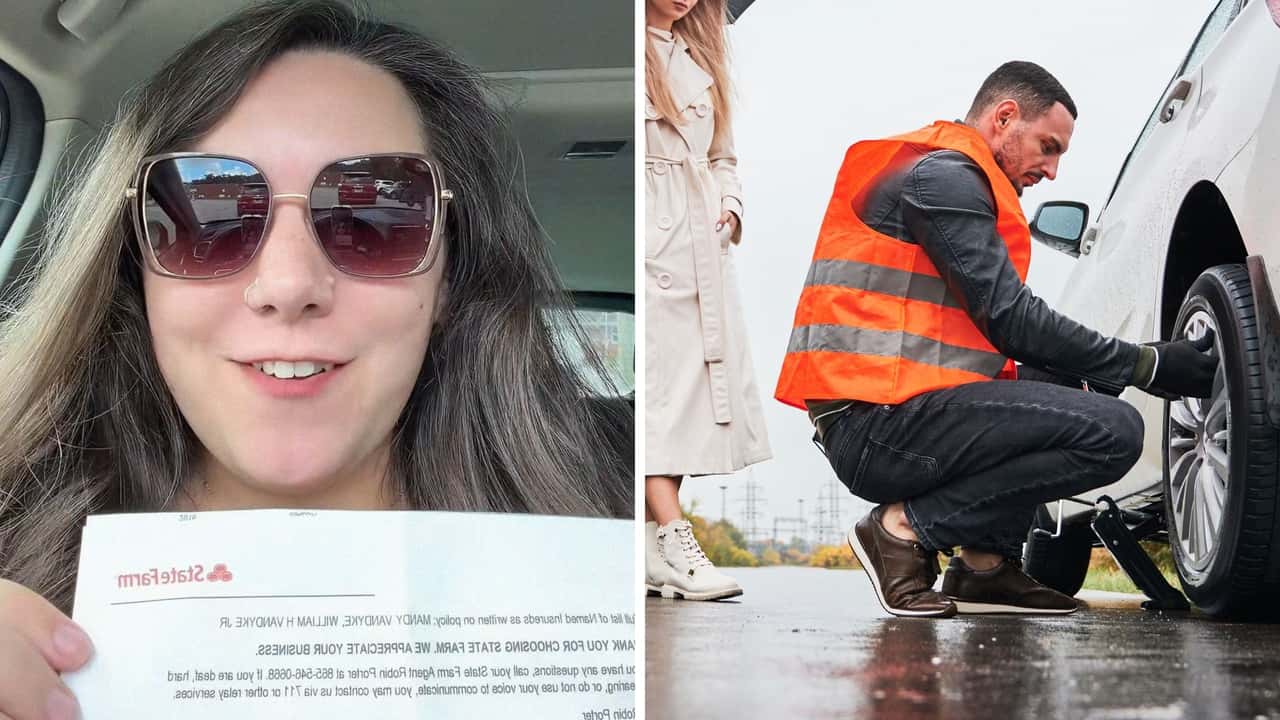
That’s what TikTokker Mandy (@mandyv91) says she recently discovered when she received a letter from State Farm notifying her that her roadside assistance coverage had been canceled despite her being a loyal customer for 17 years. Her allegedly unforgivable offense? Actually needing roadside assistance.
“They are canceling my roadside assistance because I used it four times in two years,” she said in the clip that’s been viewed more than 48,000 times. “They canceled my emergency road service coverage because I [expletive] used it.”
State Farm appears to have canceled only Mandy’s emergency road service coverage, not her underlying auto policy. Even so, the decision left her questioning how much use is considered too much when the coverage exists specifically for breakdowns and roadside emergencies.
Viewers had the same question.
“What’s the point of coverage if you can’t use it?” one wondered.
Others said they had run into similar problems with insurers after making what they considered routine claims. One commenter who said she had worked for State Farm, Farmers and Allstate wrote that all three companies can take action after repeated use.
Another said State Farm canceled her coverage for “excessive claims” after a glass claim and a roadside call spread across roughly two years. Those accounts are anecdotal, but State Farm’s own description of its emergency road service coverage makes Mandy’s experience worth a closer look.
The company says the coverage can help with towing, battery jump-starts, tire changes, lockouts and delivery of gas, oil or a replacement battery. State Farm also says customers can “typically” request roadside assistance as many times as needed.
There does not appear to be a publicly stated four-calls-in-two-years limit in that description. State Farm notes that actual coverage depends on policy language and can vary by state, leaving open the question of when repeated use becomes enough for the company to remove the coverage.
A roadside call may not feel like an insurance claim in the same way a wreck or stolen car does, but repeated use can still matter to an insurer evaluating risk. Claims history and frequency can trigger increased scrutiny when companies evaluate what coverage they are willing to continue offering, though the rules and practices vary by company and state.
That may help explain why several commenters said Mandy’s experience was not unique to State Farm. One viewer who said she had worked for State Farm, Farmers and Allstate wrote that “they will all do this,” while another commenter said Farmers can also remove roadside coverage after repeated use.
The frustration in the comments quickly turned into advice about keeping roadside assistance separate from auto insurance altogether.
“I got AAA and took [State Farm] off all of my cars,” one person wrote. “AAA has been a lifesaver for my kids!”
State Farm’s consumer guidance acknowledges that roadside assistance can fall into a gray area, as some insurers may treat roadside calls as claims activity or service history that can affect underwriting decisions or eligibility. The company also notes that roadside assistance may sometimes be treated as a service benefit rather than a traditional insurance claim, even though the activity can still be tracked.
Of course, none of that matters much to a stranded driver calling for a tow or jump-start. State Farm markets its emergency road service specifically for those situations and says customers can typically request help as many times as needed, touting the service’s use by drivers of older or less reliable vehicles.
So even though the need for roadside help is why the coverage exists, Mandy’s experience raises the harder question of when using that help starts working against the customer who bought it.
Another commenter said she had used AAA about six times in a single year without being dropped.
AAA and similar roadside memberships operate differently from coverage added to an auto insurance policy, though they also come with their own limits and terms. The distinction was enough for several viewers to say they preferred keeping towing, jump-starts and other roadside emergencies away from the company underwriting their car.
Four roadside calls over two years works out to needing help about once every six months. Whether that counts as excessive apparently depends on who is providing the coverage and the terms attached to it.
Motor1 reached out to Mandy via direct message and comment on the clip, and to State Farm via email. We’ll update this story if they respond.
We want your opinion!
What would you like to see on Motor1.com?
– The Motor1.com Team