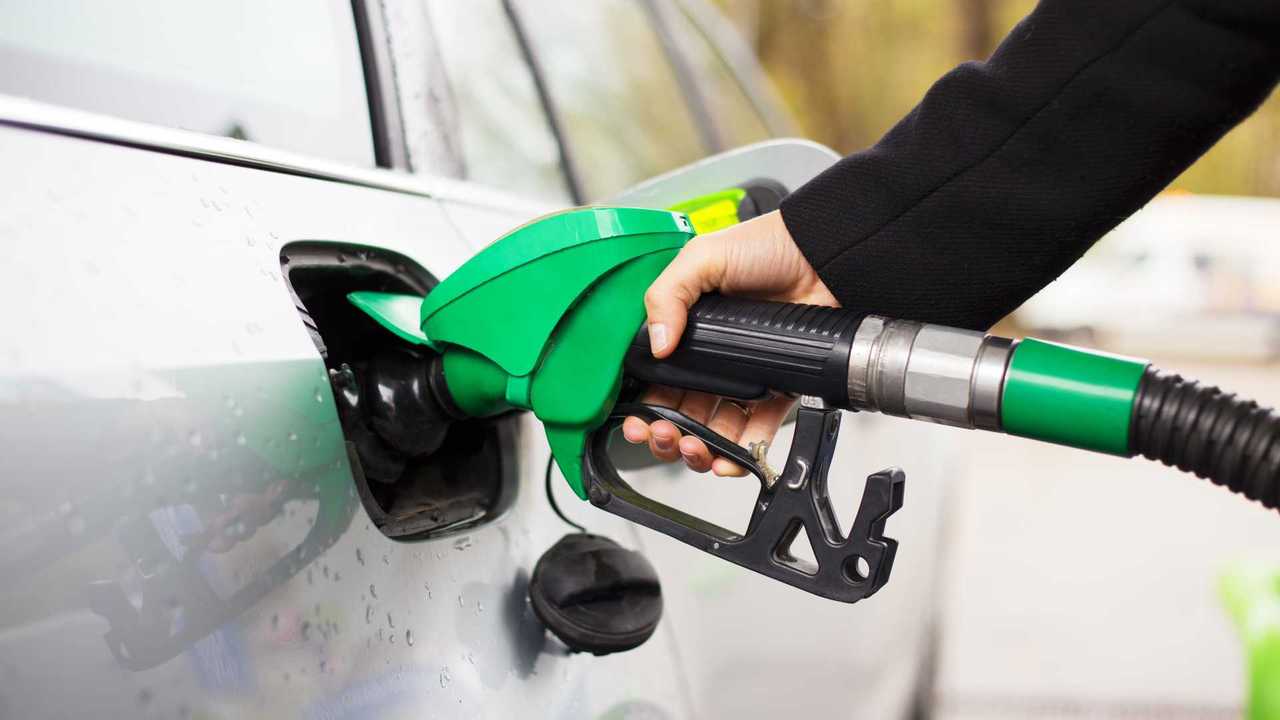
Pure gasoline models fall to 49 percent of 2026 first-half sales as China and Europe shift faster toward hybrids and battery-electric vehicles.
Gasoline-only vehicles slipped below half of global new-car sales for the first time ever during the first six months of 2026, arriving at 49 percent of the market. A year earlier, that figure stood three percentage points higher.
Gas-only cars held 73 percent of the market as recently as 2021.
The decline varied sharply by region. China and Europe posted much steeper drops in internal-combustion-based vehicles than the global average, while hybrids and battery-electric vehicles kept adding ground. The figures mark a clear break from the decades when the gasoline engine dominated new-car sales almost everywhere.
2026 Nissan Rogue Plug-in Hybrid
Pure gasoline vehicles, meaning cars with no electrified assistance of any kind, totaled 20.25 million units sold globally from January through June 2026. That is a 10 percent drop year over year.
The 49 percent figure excludes hybrids entirely. Regular hybrids, plug-in hybrids, and full battery-electric vehicles all count separately, so the number is not measuring electrification as a whole. It is measuring how much ground the traditional gas-only engine has lost on its own.
China and Europe drove most of the shift. Sales of internal-combustion-based vehicles decreased about 26 percent in China and roughly 13 percent in Europe during the same six months, both steeper declines than the global average. Those regions already have deeper electrified penetration than markets where gasoline-only models still dominate new registrations.
A six-month snapshot is not a forecast. Sales patterns can shift with fuel prices, incentives, or new model launches in the back half of any year. Nothing here guarantees gasoline-only cars stay under half the market through December.
Tesla charging at Superchargers
Battery-electric vehicle sales rose 12 percent to 6.87 million units worldwide in the first half of 2026, putting EVs at 17 percent of the global new-vehicle market. That share sits in the mid-teens range that many technology-adoption studies treat as the point where uptake can start to accelerate on its own.
Hybrids grew just as fast. Sales climbed 10 percent to 7.27 million units, giving hybrids an 18 percent share, slightly ahead of pure EVs for the period. Hyundai’s hybrid sales growth this year reflects that same pattern. Buyers are choosing hybrids as a middle path between gasoline and a full battery commitment.
Europe’s shift has been building for a while. EVs already outsold pure gas cars there once before, back in December 2025, and the region has kept adding plug-in share since. BMW is targeting half its lineup as electric by 2030.
Fuel and electricity costs, local incentives, and model availability all influence how quickly buyers switch to electrified options. How those factors play out through the rest of 2026 will decide if gasoline-only cars stay below the halfway mark or climb back above it by December.
More Car Sales:
Source:
We want your opinion!
What would you like to see on Motor1.com?
– The Motor1.com Team