“So as a customer, how would that make you feel?”
Many people already dread going to a car dealership. So when you go and things don’t quite work out, you expect to be able to leave without much thought. You thank the salesperson for their time, head to your car, and move on with your day.
But some sales teams apparently have a different idea of how that conversation should end. Now one salesman wants to know how customers feel about it.
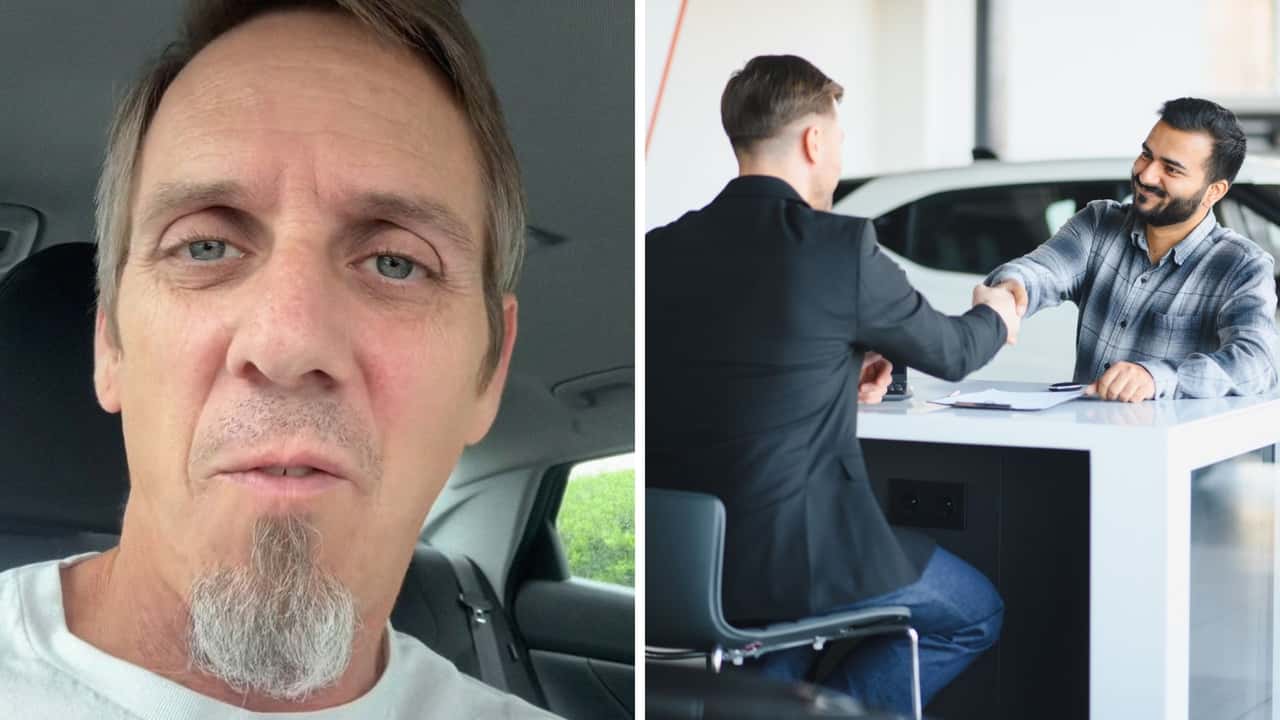
In a video, car salesman Jason Cremeans (@theconfidentcloser) brought up a common sales tactic used in the industry.
“Hey. I wanna know how you feel about this common rule in the car business,” Cremeans says before playing clips of two other dealership salesmen discussing a rule they say salespeople are expected to follow.
The first salesman says customers should never leave a dealership without speaking to a manager, even if convincing them to stay means begging.
“Never let a customer leave without speaking to a manager,” he says. “I don’t care if you have to beg them to come inside because you could lose your job.”
The second salesman takes things even further, recounting a time he told his sales team they could be fired if a customer left without speaking to him.
“One time we were closing deals, I told everyone, I talked to everyone who leaves or you’re fired,” he says.
He then recalls noticing a customer leaving and demanding to know where the person was going. According to the salesman, his employee explained that the customer’s wife was at the hospital about to give birth.
That apparently wasn’t enough to change the manager’s mind. Even after the employee repeated that the customer’s wife was giving birth, the salesman says he insisted they bring the man back.
Cremeans doesn’t say whether he agrees with the approach. Instead, he asks viewers to consider it from both sides.
“So as a customer, how would that make you feel?” he asks. “And furthermore, as a salesperson, not a sales manager, how does that make you feel?”
In an Instagram direct message Cremeans added that he’s spent about 30 years in sales, including the automotive industry, and lately has been questioning “a lot of the traditional sales practices I’ve learned and taught over the years.”
“That’s actually why I made the video. Rather than share my opinion, I wanted to hear how customers felt about the practice and learn from their experiences,” he wrote.
Cremeans said he understands why dealerships have this rule since a manager may be able to save a sale by offering a better price, identifying something the salesperson missed, overcoming an objection, or providing an additional perspective.
“There are legitimate reasons for involving management in a sales conversation. But what I’m questioning is whether making that involvement mandatory actually accomplishes what dealerships intend, and whether it’s the best way to accomplish it,” he says.
He points out that there’s something to learn here. For example, if a manager consistently turns people who were leaving into buyers, that may mean the salesperson needs more training. Or maybe the manager just has pricing authority the salesperson doesn’t.
“And perhaps more importantly, does requiring every customer to speak with a manager actually increase overall sales, or could it sometimes drive away customers who might otherwise return?” he adds.
He concludes with this: “I’m not suggesting that manager turnovers don’t work. I’ve seen them work. But saving individual sales doesn’t necessarily prove that requiring a turnover on every departing customer is the most effective approach.”
According to Consumer Reports, some dealerships use high-pressure tactics and prepared scripts to keep shoppers negotiating, even when they’re ready to leave. Here are some common ones:
To avoid getting caught up in the pressure, Consumer Reports recommends agreeing on an itemized out-the-door price before visiting, negotiating financing separately, and slowing things down when a salesperson tries to rush the decision.
And if the numbers still don’t make sense? You can walk away.
If a dealership experience goes from uncomfortable to feeling like you’ve been taken advantage of, you don’t have to keep dealing with the same salesperson. According to CarEdge, former dealership executive Ray Shefska recommends speaking with the sales manager or general manager if you believe something unfair happened during a purchase.
He suggests explaining the problem calmly and coming prepared with a reasonable solution. If management won’t resolve it, shoppers can contact the dealership’s owner, managing partner, or dealer principal.
There are other options, too. CarEdge points to the Better Business Bureau, state consumer protection offices, and state attorneys general as places to file complaints. It also recommends sticking to the facts when posting a public review.
People who commented on the post were largely opposed to being forced to talk to a manager at a car dealership.
“I hate feeling like a hostage at a dealership. I don’t have 3 hours to spend at the dealership. The worst is when they won’t give you your own keys back,” a top comment read.
“Salesmen don’t like me. I take up way too much of their time asking very specific questions that they have to go look up and I will haggle on the price until they’re ready to kick me out. They don’t make much money off of me compared to others,” a person said.
“if I have to talk to the manager, I’m done negotiating. Here’s what I’ll pay and that’s it,” another wrote.
Motor1 reached out to Cremeans via Instagram and TikTok direct message for comment. We’ll be sure to update this if he responds.
We want your opinion!
What would you like to see on Motor1.com?
– The Motor1.com Team