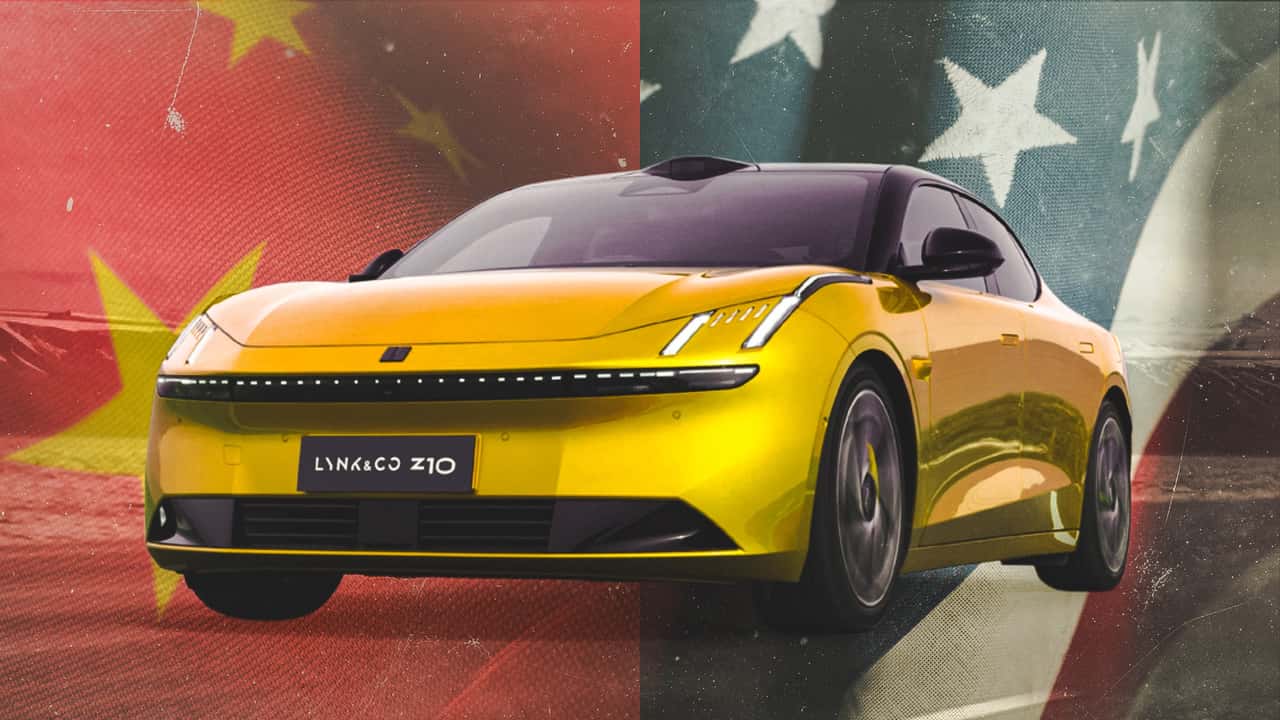
The Alliance for Automotive Innovation urges Congress to turn temporary Commerce rules and steep tariffs into permanent law restricting Chinese connected vehicles.
Chinese automakers have not sold a single connected car in the United States yet, and the country’s biggest manufacturers want to make sure that stays permanent. The Alliance for Automotive Innovation sent Congress a letter this week asking lawmakers to lock the door before it ever opens.
The group, which represents most major automakers selling vehicles in the US, wants a permanent ban on Chinese connected vehicles, software, and hardware passed before this session of Congress ends. Reuters first reported the push on September 3.
The Alliance for Automotive Innovation grumbled that current protections are not enough, pointing lawmakers toward two bills already moving through committee. One is H.R. 10158, the Automotive National and Economic Security Act of 2026, which targets connected vehicle technology tied to countries the government considers national security threats.
The other is the Connected Vehicle Security Act of 2026, which would bar any automaker more than 15 percent owned by a Chinese company from selling vehicles in the US. A Senate panel has already approved stricter connected-vehicle rules aimed at Chinese automakers and companies with heavy Chinese ownership, according to the International Organization of Motor Vehicle Manufacturers.
Geely assembly line in Beilun, Ningbo
None of this starts from zero. Chinese-made vehicles already face a 100 percent tariff entering the US, and existing Commerce Department rules restrict Chinese software and hardware in connected vehicles, including automated-driving systems used by companies like Waymo. What the alliance wants is for those barriers to become permanent law instead of rules a future administration could unwind.
Timing matters here. Software restrictions under current Commerce rules are set to begin in 2027, with hardware bans following in 2030, and automakers say it is already swapping out Chinese connected-car technology ahead of those deadlines. H.R. 10158 is still in committee, and no penalties or firm dates have been finalized.
The Alliance for Automotive Innovation speaks for the bulk of the US auto industry, including Detroit’s legacy brands and major importers, though it has not published a company-by-company breakdown of who signed on. Its argument leans heavily on national security: Chinese-connected vehicles collect enormous amounts of data on drivers, routes, and infrastructure, and lawmakers worry that data could end up in Beijing’s hands.
2027 Polestar 4 SUV
There is an economic angle too, whether Americans even want Chinese cars. Subsidized Chinese EVs and connected vehicles could undercut US-built competitors on price if the market ever opened, and companies like Geely have shown what that competition might look like.
Not everyone in the industry is fighting the restrictions. Polestar, majority owned by Chinese-backed Volvo parent Geely, has said it will not contest the US ban on Chinese-linked connected vehicles, even as the company deals with unrelated legal troubles covered in a recent lawsuit that added a twist to its US operations.
Consumer ownership rights are also part of the broader legislative picture moving through Congress this session, an angle covered in earlier reporting on proposed bills aimed at protecting car ownership rights. For now, the fight over Chinese connected vehicles comes down to what Congress does before the year runs out.
Motor1’s Take: Automakers want permanent bans to lock in supply-chain and competitive advantages. That push will shape which suppliers and software platforms dominate US vehicles.
Watch House and Senate committee votes this fall. A presidential response can still change the result.
More About China:
Source:
Reuters
We want your opinion!
What would you like to see on Motor1.com?
– The Motor1.com Team