“If you’re mechanically inclined in any kind of way…”
The diagnosis from the dealership was dire: a wiring harness that had been chewed or ripped to bits and it would cost an estimated $1,200 to get the almost brand-new truck back to full operation. What the owner and his son-in-law discovered fairly quickly, however, was that a simple look underneath the vehicle offered an almost instant and free solution.
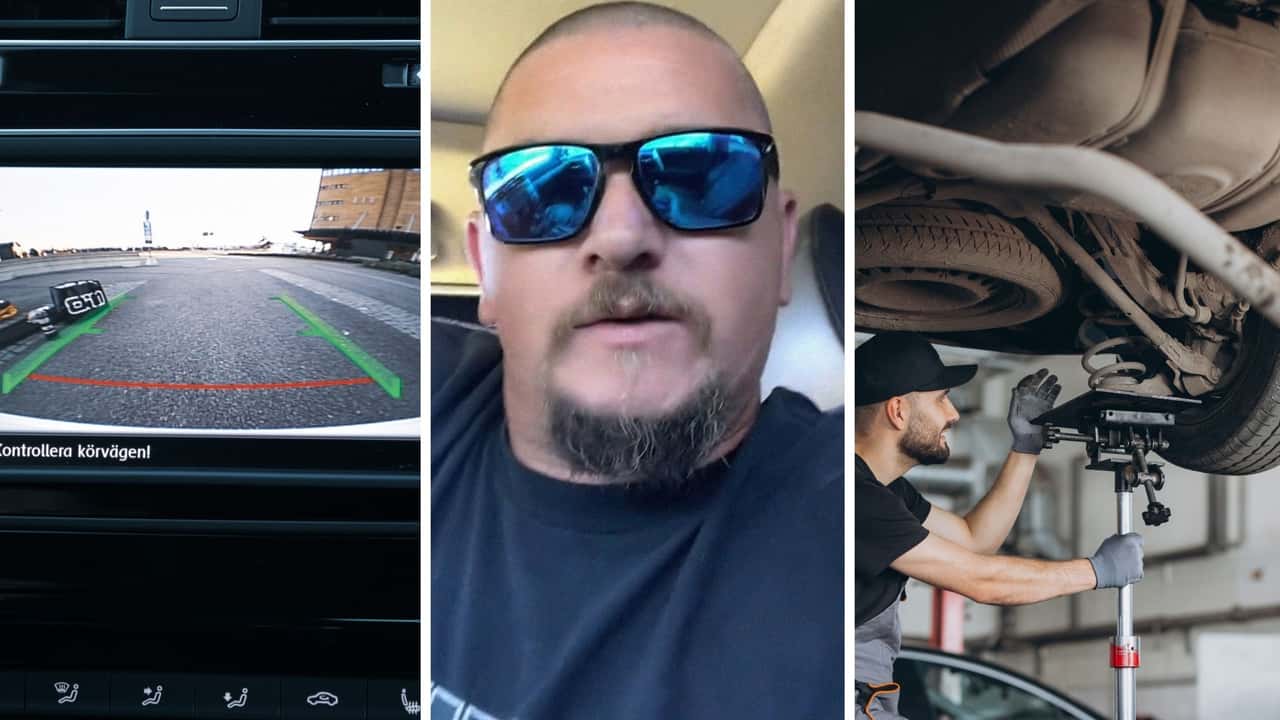
In a viral TikTok clip from creator Paul Inman (@jeepcherokee1999), we get a cautionary tale that illustrates how important it is for owners to make at least a cursory visual inspection of their vehicle before taking it in for warranty work. That’s especially the case for anything involving wiring that may fall outside the bounds of standard warranty coverage.
“Brand new truck, fixed it right there in the parking lot himself. And it just made me mad because if they were under there troubleshooting and they found chewed-up wires, which is what they said,” Inman recalled in the video that’s been watched more than 206,000 times. “If you’re mechanically inclined in any kind of way… and your vehicle’s under warranty and you just don’t want to mess with it, at least get under there and take a look yourself.”
Inman said his father-in-law barely drives the Chevrolet, despite paying around $90,000 for it. When the passenger-side taillight and backup camera both stopped working, he decided there was little reason to troubleshoot a nearly new vehicle himself. After all, the truck was still under warranty.
According to Inman, the dealership called a few days to report that technicians had apparently found that the wiring harness feeding the camera and taillight had been “chewed or ripped in half.” Because that suggested outside damage rather than a defect, Inman said the repair wouldn’t be covered under warranty.
His father-in-law declined the $1,200 estimate and found replacement harnesses online for roughly $69, with more expensive examples closer to $120. That comparison doesn’t necessarily mean the dealership was charging more than $1,000 just to plug in a part, since dealer estimates can include diagnostic time, labor and other components.
But the potential cost was enough to convince them to take the truck home instead.
When the two arrived to pick up the Chevy, Inman said wiring and connectors were hanging beneath the truck from the dealership’s diagnostic work. His father-in-law went inside to complain while Inman crawled underneath to see what had been disconnected.
“I heard the mechanic tell him, ‘Oh no, them wires was like that when you … brought it up here,’” a claim that Inman disputed immediately.
Eventually, his father-in-law crawled underneath as well and reconnected one plug that Inman had been reluctant to force into place. Moments later, the passenger-side blinker and brake lights worked, and when he shifted the truck into reverse, Inman said the backup camera came to life as well.
All of that without the costly installation of a new wiring harness.
Wiring damaged by rodents or some other unidentified nuisance generally wouldn’t present the same warranty question as a loose or defective factory connection. Inman’s argument is that the supposedly damaged harness wasn’t damaged at all.
“There was no chewed wires, no broken wires, no mice, no nothing,” he said. “Just a disconnected harness.”
One commenter suggested that modern wiring itself may help attract rodents, referencing plant-based materials used in some vehicle components. There is at least some basis for that broader idea: AAA notes that some modern vehicles use soy- or plant-based materials in wiring and other components.
But rodents hardly need gourmet insulation to start chewing since their teeth grow continuously, and they have a natural need to gnaw. The warm shelter of vehicle engine bays puts them in proximity to wires that serve as a chew toy.
That reality means a claim of rodent damage isn’t inherently far-fetched, particularly with a truck Inman claimed spends about 90% of its time parked. For owners who want some insurance against a similar surprise, the pre-shop inspection doesn’t need to resemble a professional diagnosis.
AAA recommends looking beneath the hood for visibly chewed or exposed wiring, damaged hoses, droppings, nesting material or debris around areas such as the battery and fuse box.
A few cellphone photos before handing over the keys can also create a simple record of what things looked like beforehand. And after the work, the Federal Trade Commission recommends obtaining a completed repair order detailing the repairs, parts and labor charges.
Motor1 reached out to Inman via direct message and comment on the clip. We’ll update this if they respond.
We want your opinion!
What would you like to see on Motor1.com?
– The Motor1.com Team