“I’m all about saving my customers money when I can.”
A dead battery seems like a straightforward fix: diagnose the problem, quote the customer, swap it out, and collect payment.
But one mobile mechanic in San Antonio went the extra mile, and it’s a customer service lesson other mechanics might want to heed. He didn’t just save his client money; he reminded people that honest mechanics still exist.
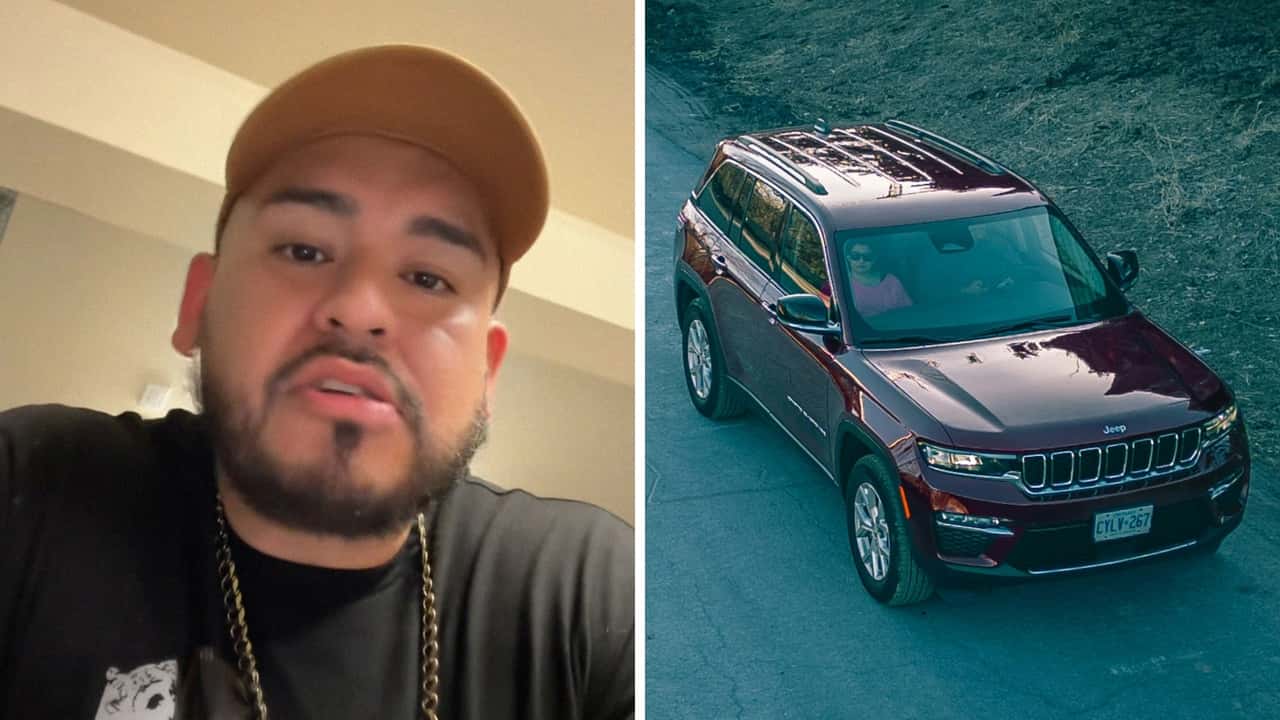
In a video with more than 9,300 views, mobile mechanic Jeff (@jeff_the_mechanic) walks through a service call that showcases why reputation matters more than a quick buck.
A repeat customer called him because their Jeep wouldn’t start. Jeff arrived, diagnosed a dead battery, and confirmed the alternator was working fine. The problem was just a bad battery with a dead cell, causing it to die overnight.
“Let’s price it out,” the customer said.
Jeff checked AutoZone and was told the replacement battery would run about $200. The customer agreed, and Jeff got to work. On that particular Jeep, the battery sits underneath the passenger seat, which didn’t move back or forward. So Jeff had to unbolt the entire seat to access it.
As he removed the old battery, something caught his eye: a DuraLast Gold with a 2023 date stamp. That meant it was still under the three-year warranty.
Jeff didn’t say anything to the customer yet. Instead, he headed to AutoZone with the customer’s information and asked the staff to look up the battery by serial number.
“Yeah, it’s still active,” they said of the warranty.
Jeff warrantied out the battery right there, drove back to the customer’s location, installed the new one, and got the Jeep running smoothly. When the customer came outside to settle up, Jeff delivered the good news.
“Your battery was still under warranty, and it’s actually underneath your name with your number. I looked it up. It was active. We got it warrantied out. There ain’t gonna be no fee for the battery. It was just a swap.”
The customer was thrilled. Jeff had saved them $200 without being asked.
“A lot of times customers, they forget,” Jeff explains in the video. “They forget that they bought a battery. They forget they bought parts. They forget about warranty. Sometimes they’re just, they’re so frustrated with the vehicle not running. They had to miss work. All this stuff is going on in their head and they forget.”
“They forget or they don’t care tbh,” one commenter agreed.
Jeff acknowledges he could’ve easily bought a new battery and charged the customer the full amount since he already had approval. But instead, he leaned on his experience with DuraLast warranties and took the extra step.
“I’m all about saving my customers money when I can,” he says. “It makes them feel good. It makes them feel like they could trust that there are good people out there they could trust.”
Battery warranties are more common than most people realize, but they’re easy to overlook when you’re stressed about a car that won’t start.
According to Capital One, major battery brands like DuraLast offer warranties ranging from one to three years, depending on the battery tier.
Many warranties work in two phases:
Even with prorated coverage, customers can still save significant money if they remember to use their warranty.
But here’s the catch: to make a warranty claim, you typically need the original receipt and must return to the store where you bought it (or another location in the same franchise).
Most vendors won’t honor warranties across different retailers—an AutoZone battery can’t be warrantied at O’Reilly Auto Parts, for example. This creates a barrier for customers who’ve moved, lost receipts, or simply forgot they even bought a warrantied battery in the first place.
Jeff’s decision to check for warranty coverage instead of pocketing an easy $200 stands out precisely because the auto repair industry has a massive trust problem.
According to Fixxr, several factors contribute to mechanics’ bad reputation: lack of transparency, overcharging for unnecessary repairs, and exploiting customers’ lack of technical knowledge.
The industry’s complexity works against trust. When mechanics use technical jargon or fail to clearly explain why repairs are needed, customers feel vulnerable and uncertain. Some dishonest mechanics exploit this knowledge gap by recommending unnecessary services or charging based on what they think clients will pay.
Stories of mechanics who create new problems rather than fix existing ones reinforce negative stereotypes across the entire profession.
People who commented on Jeff’s post were cheered by what they saw as a mechanic going above and beyond.
“This is how you keep loyal clients,” commented one. “I can see you getting a box truck, the ups ones, and being legit mobile. Workers or people like you are hard to come by! Keep striving; you will get far.”
“It’s all about trust!” another agreed.
Motor1 reached out to Jeff for comment via Instagram and TikTok direct message. We’ll update this if he replies.
We want your opinion!
What would you like to see on Motor1.com?
– The Motor1.com Team