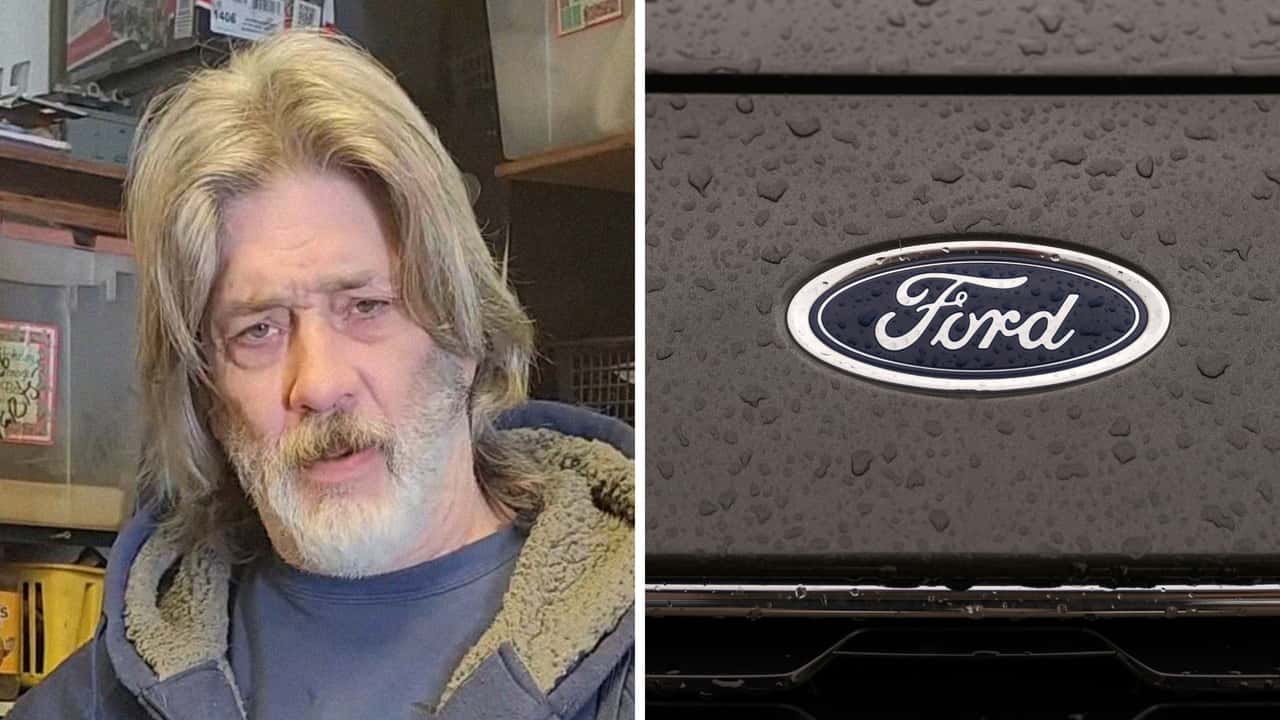
‘This is EXACTLY why my dad never threw anything away when he was a mechanic.’
A mechanic trying to do a routine fix on a late-model Ford has discovered something most drivers wouldn’t even notice until it’s way too late: Some of the biggest names in remanufactured auto parts are gone, and they’re not coming back. The first clue was an empty search for what used to be a basic part. The second clue was a bankruptcy filing.
The viral TikTok clip from veteran mechanic William A. Stokesbury (@motorheadmen) has been viewed more than 240,000 times and goes into alarming detail in revealing how consolidation and mismanagement are creating lasting chaos in the auto parts industry. He opens by talking about his search for a power steering pump for a 2018 Ford, a part that should be readily available for $200. But after calls to three different suppliers, his only option was a special order at triple the price.
“We all knew it was kinda heading in this direction, but we all kinda hoped,” he said of long-growing concerns about the prospects for replacement parts manufacturing. “They’re gonna have to find new rebuilders … train the young generation how to rebuild this stuff, or we’re gonna be forced to do electric cars.”
The tale of a price shock quickly turned into something closer to a business autopsy. In the video, Stokesbury explains that after striking out with his usual suppliers, he began tracing where those parts were supposed to come from in the first place. The trail led back to a wave of buyouts that swept through the remanufacturing side of the business in 2023, and then to a Chapter 11 bankruptcy filing earlier this year that effectively froze a big chunk of that supply chain.
For decades, brands like Cardone were the quiet, dependable cornerstone of everyday repairs. Their fit was perfect, rebuilding everything from power steering pumps to steering boxes at a scale most individual shops could never match. Now, Stokesbury said the system made up of similar businesses has pretty much vanished. Cardone’s factory, which was once a major operation in Philadelphia, has already been dismantled.
The collapse shows up in small, brutal ways. Repairs that used to hinge on a rebuilt component now point straight to factory-only replacements, if they exist at all. For the Ford sitting in Stokesbury’s garage, that meant a single supply option at a price that would have sounded absurd a few years ago. And for customers trying to keep older vehicles on the road, Stokesbury says that the math is starting to break down fast.
And these changes are also impacting how he thinks about what can realistically be kept running. That means that simpler, older vehicles suddenly look less like nostalgia projects and more like practical bets. “We love these older vehicles,” he said. “But now I get why people are backing up a few decades. There’s just less you’re forced to depend on.”
The reactions in the comments section suggest Stokesbury isn’t the only one running into this wall.
“Private equity ruins everything,” one viewer wrote flatly, sharing a sentiment echoed dozens of times. Another commenter, who said they work for NAPA Auto Parts, claimed the bankruptcy tied to First Brands Group had torn apart their supply chain, forcing the company to scramble in search of new suppliers across multiple product lines.
Others pointed to more personal fallout. One commenter described watching First Brands acquire Jasper Rubber Products, a longtime employer in their area, and then repeatedly raising prices until customers disappeared and the business collapsed. “You would have to try real hard to make that place fail. And they did,” they wrote. In response, Stokesbury offered, “That’s how they destroy the world one at a time.”
Speculation and personal anecdotes aside, the broader pattern is hard to miss. There are now fewer manufacturers, rebuilders, and backup options available in an industry that has relied on remanufactured components for decades to keep repair costs in check. The sudden loss of that middle tier is reshaping what shops can offer and what repairs customers can afford.
That pressure is landing at an awkward moment for car owners. The average vehicle on U.S. roads is older than it’s ever been, and repair costs have been climbing even before parts availability became a daily gamble. When a rebuilt component can’t be found anywhere, the choice narrows to paying for an expensive factory replacement or parking the car altogether.
In preparation for the shortage he’s expected to come, Stokesbury said he’s been stockpiling older inventory and encouraging customers to think ahead. His hope is that they lean harder on rebuild-and-repair skills that most modern shops don’t really need to use anymore. But he’s realistic about the limits of that approach. “This stuff doesn’t last forever,” he said.
Motor1 reached out to Stokesbury via phone and email. We’ll update this if they respond.
We want your opinion!
What would you like to see on Motor1.com?
– The Motor1.com Team