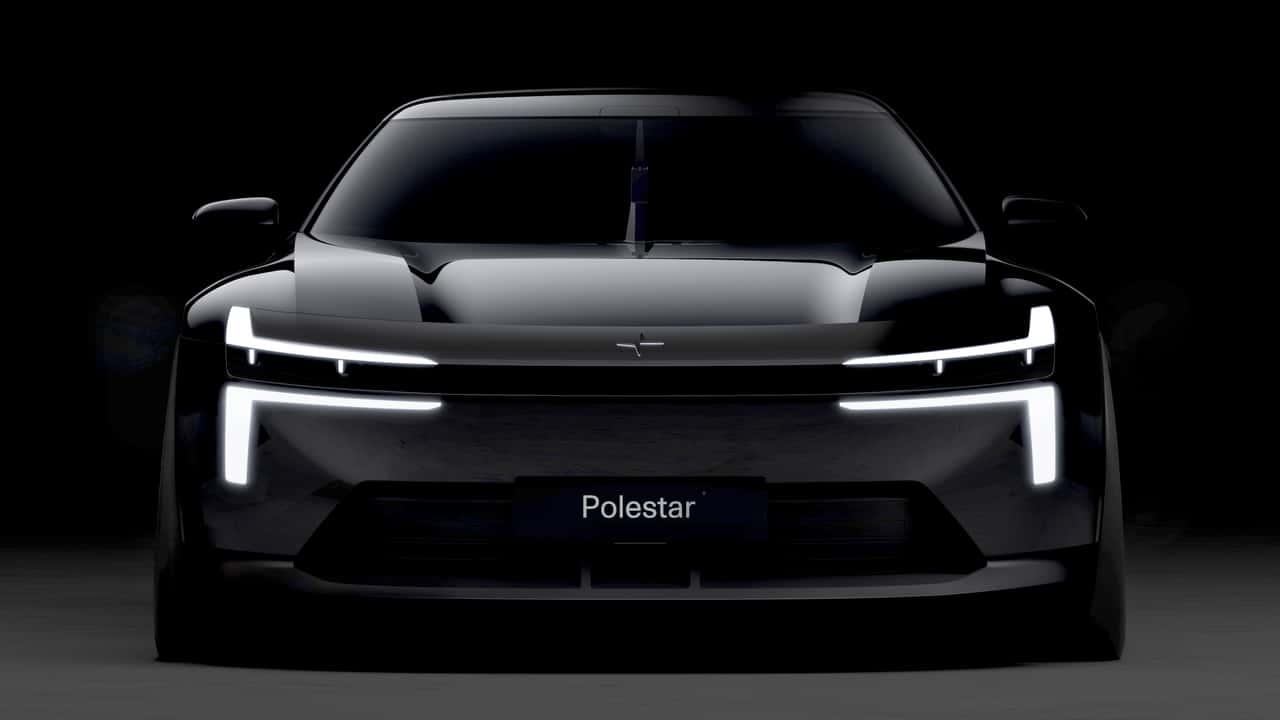
Formula 2030 shows how Polestar will evolve its Dual Blade headlights and clean surfacing across the next Polestar 2 and Polestar 7.
Polestar’s next design boss has a simple rule for his team: do not scare people. Philipp Römers, who joined the Swedish EV brand in January 2025, is previewing his first ground-up project with the Formula 2030 concept, set to debut in October.
Römers calls the show car “a bold evolution built on our values” rather than a clean break. The concept previews styling cues headed for the next-generation Polestar 2, due in 2027, and the Polestar 7 compact SUV, expected in 2028.
Römers is clear about the brief he is working on. “The cars have to look super-attractive and should not scare people,” he said, adding that Polestar wants to stay “ambitious, but not aggressive” as many rival EVs lean into sharper, more confrontational faces.
That approach shows up in specific choices. Formula 2030 keeps a low, wide stance with cambered front wheels, a look Polestar has used since its earliest concepts. It also keeps the brand’s blade daytime running lights instead of chasing a new light signature.
This is Römers’ first Polestar design built entirely from scratch. Everything the brand has shown since 2025, including the 2027 Polestar 4 SUV, was already in motion before he arrived.
Polestar plans a private Gothenburg preview ahead of the public October reveal. The version enthusiasts see there may still be a teaser rather than the finished study, and the company says Formula 2030 will also explore new materials and sustainability ideas tied to its design shift.
Compare that message to what is already on sale. The current Polestar 4 and its new SUV sibling both lean on pointy dual-blade headlights and a trapezoidal grille opening, a look that carries over closely between the coupe and its wagon-like SUV variant.
Formula 2030 signals that Polestar wants those cues, the blade lighting especially, to survive the next design phase. Römers is keeping the brand identity while adjusting proportions and surfacing so the cars feel fresher without losing what makes them recognizable at a glance.
That runs against rivals that are doubling down on sharper, more sculpted EV faces. It also fits with the brand’s largest model offensive, since the next Polestar 2 and the Polestar 7 both need a common design language flexible enough to span a sedan and a compact SUV.
The stakes go beyond styling. Polestar is targeting 100,000 annual sales, up from 60,000 in 2025, and wants a premium look that feels approachable to buyers who might otherwise look toward a BMW or Mercedes-AMG.
Motor1’s Take: Polestar’s softer, familiar design should broaden its appeal among buyers who prefer premium brands. Keeping the blade lights gives the brand a clear signature across sedans and SUVs. Watch the production Polestar 2 to see how much of the concept’s exterior design reaches showrooms.
More From Polestar:
Source:
Polestar
We want your opinion!
What would you like to see on Motor1.com?
– The Motor1.com Team