“Need to be illegal.”
A product tester was wowed by a pair of blue-light filtering eyeglasses she recently spotted. But do they actually work?
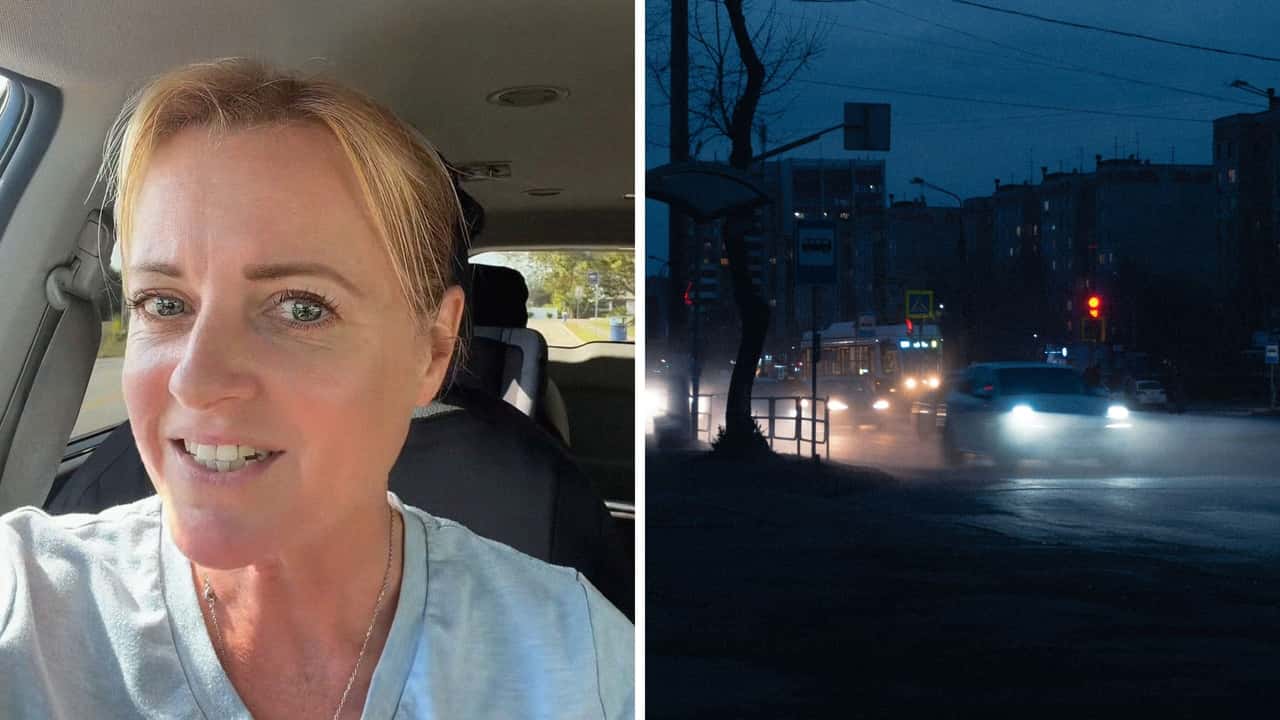
Cher (@cherrsfinds) regularly cover things she thinks others may find interesting. In a December post, she gushed about a large pair of yellow-tinted glasses.
“Really helps driving at night not to be scary,” she says after adjusting the amber-hued lenses. She swears it helps her feel safe driving after dark. “Nighttime driving glasses: They’re polarized, and they keep out the glare, and they’re not too dark, so you can wear them at night,” she tells her viewers.
Cher claims they help minimize the intensity of the lights during night drives. “No longer do the headlights look like big bursts of light,” she says, before demonstrating how the oversized glasses fit directly over a pair of standard eyeglasses. “Check this out, they fit right over my seeing glasses. High quality and super sturdy,” she says.
Motor1 has previously written about drivers’ qualms about high-powered headlights and LED lighting fixtures. Optometrist Dr. Joseph Allen blasted modern headlights, saying they’re responsible for a phenomenon known as “retinal bleaching,” which leaves visual remnants of lights in your vision for a few seconds even after you stop looking at them. Not only is it uncomfortable, but it also impairs vision. He advocated for lawmakers to outlaw the lights due to the retinal bleaching phenomenon.
Regarding blue-light-blocking glasses, Dr. Allen said his patients seem divided on their efficacy. Some felt that night drives were more pleasant with the glasses on, while others questioned if they even worked, noting no marked mitigation of light-induced discomfort.
Users on the Bob is the Oil Guy forum discussed whether blue-light-blocking glasses help with night driving. One person said they began wearing a pair with the “lightest yellow tint” they could find. In their experience, they are “great for cloudy day driving,” and they also recommend putting them on after dark.
Eyewear company Sojos says that blue-light-blocking glasses aren’t a remedy for instant, safe nighttime driving. However, the business says they can “provide additional protection against UV rays while still allowing your pupils to contract so that you can see better at night.”
The National Library of Medicine shared a study that sought to determine the effects “blue-light filtering spectacles … [have] on visual performance … in adults.” According to the study’s abstract, these lenses are meant to “filter ultraviolet radiation … [along with] varying portions of short-wavelength visible light from reaching the eye.”
The author’s conclusions segment stated that the systematic testing of various lenses led them to believe “that blue-light filtering spectacle lenses may not attenuate symptoms of eye strain.” It should be noted, however, that this study focused on blue light emitted from long-term computer screen usage.
When it comes specifically to nighttime driving, the same questions regarding the usefulness of these glasses also apply. CNET cited various groups that have opined on whether this type of eyewear actually works. Some argued that wearing yellow-tinted glasses at night can ultimately inhibit one’s ability to see important fixtures, such as pedestrians.
The American Academy of Ophthalmology also wrote that putting on a pair of these glasses doesn’t necessarily filter out a specific type of light, but rather filters all light “overall.” This means that drivers could be taking in less visual data, and potentially miss a road hazard they would have otherwise seen while not wearing the glasses.
And there have even been legal proceedings against manufacturers touting the health benefits of their light-filtering spectacles. The Federal Trade Commission “sued a marketer of night driving glasses” in 1997, CNET reported. That’s because the FTC contended that the business falsely advertised that its product made driving at night safer.
Drive Safe Online says that wearing these glasses could help drivers see better at night and reduce eye strain from headlights and street lamps. However, the automotive safety resource notes that studies on these products are a mixed bag of results and claims.
Folks who replied to Cher’s video had varying opinions about blue-light-blocking glasses. One person praised the eyewear, saying that it transformed their commuting experience entirely. “I was shocked by the difference it made. I’ve never seen clearly at night. It was crazy,” they wrote.
Someone else didn’t seem convinced that the glasses help anyone driving at night. They argued that it would probably behoove drivers to visit an eye care professional rather than trust a product with shaky research on its efficacy. “Or…we can go to the eye doctor to see why we have an issue with our eyes,” they wrote.
Several other folks thought the issue was with modern lighting technology on roadways. “These new car LED headlights are outrageous and need to be illegal. I’m just saying,” one wrote.
Someone else also remarked, “I cannot even distinguish regular headlights from brights anymore.”
Motor1 has reached out to Cher via TikTok direct message for further comment. This story will be updated if she responds.
More From Motor1
We want your opinion!
What would you like to see on Motor1.com?
– The Motor1.com Team