“I rejected this service.”
For some mechanics, an overheating car is an opportunity to diagnose, bill, and build a customer relationship. To one experienced mobile tech, however, it was a flashing warning sign to stay away. His decision to say no and his explanation for it sparked a heated debate.
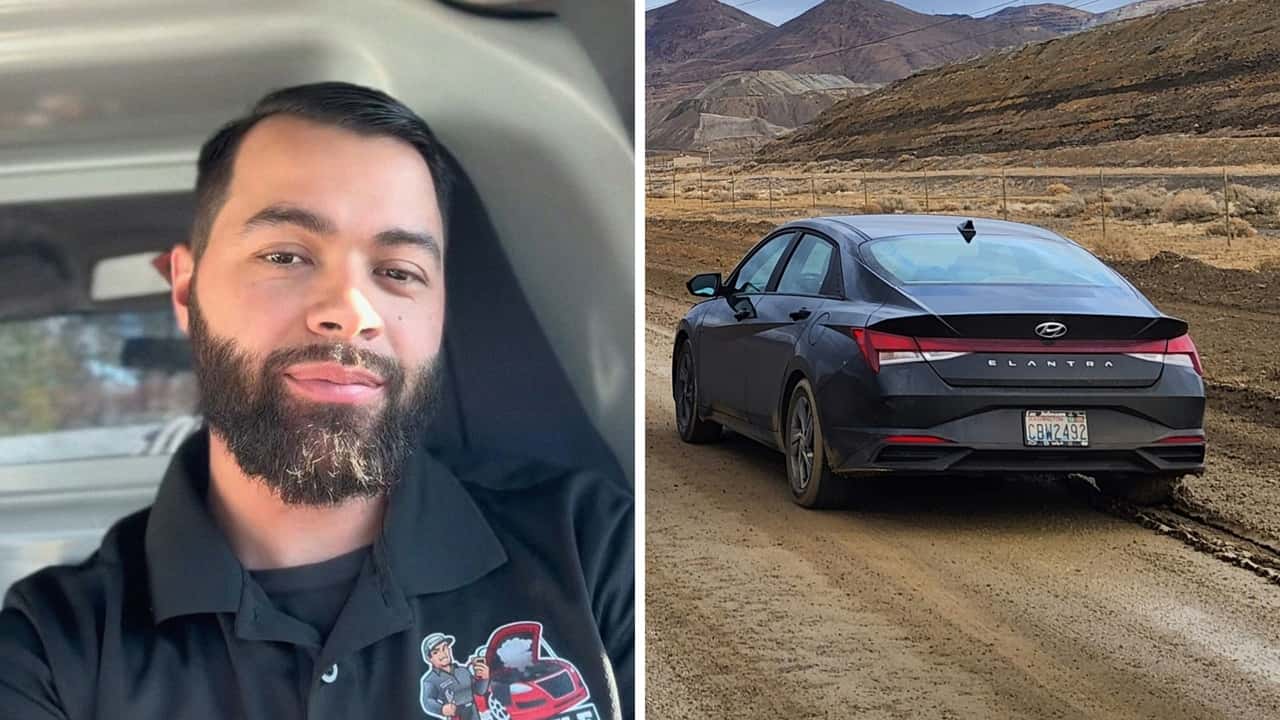
The clip from Avern Collins (@mobilemechaniccoach) is startling because he wastes no time and expresses no indecisiveness in turning down a prospective job from a car owner who’d already tried to solve an overheating problem himself.
Recognizing the potential liability issue right away, Collins told the potential customer he’d have to pass.
“We don’t know what he did and didn’t do. We don’t know how many times he’s let that vehicle overheat,” he says in a TikTok that’s been viewed more than 6,500 times. “It’s a liability for me. I’m not gonna touch it.”
In the video, Collins answers a routine service call from a driver of a 2014 Hyundai Elantra that is overheating and not producing cabin heat. The customer tells Collins that he believes there is an air bubble in the cooling system and asks that it be professionally bled.
As Collins probes for more detail, the owner explains that he has already replaced the radiator, thermostat, temperature sensor, and water pump, but the car continues to overheat and make gurgling noises. That information is enough for Collins to decline the job on the spot.
To some viewers, the refusal seemed abrupt. To experienced technicians, however, the warning signs were obvious. Overheating combined with a lack of cabin heat often points to a more serious issue than trapped air, particularly if the engine has been run hot repeatedly. Multiple commenters quickly suggested the same likely culprit: a blown head gasket.
Collins’ explanation resonated with many in the industry because mobile mechanics operate under different constraints than brick-and-mortar shops. Without a controlled environment, a service writer to document preexisting conditions, or the ability to keep a car for extended teardown, mobile technicians assume outsized risk the moment they touch a vehicle.
Once a mechanic begins diagnosing or running tests, responsibility can become unclear to customers. If an engine fails later, the last person who worked on it is often blamed, regardless of whether the damage was already done. That risk is magnified when a customer has already disassembled or replaced key components, making it difficult to establish what caused the failure and when.
Several commenters echoed that concern, describing past jobs where customers withheld information until a mechanic was already on site or midway through a repair. Others noted that overheated engines are especially dangerous territory, as head gasket damage can worsen rapidly and at great expense once symptoms appear.
Not everyone agreed with Collins’ decision. A number of mechanics argued that the safer play would have been to charge a diagnostic fee, clearly limit the scope of work, and document everything before proceeding. From that perspective, bleeding the cooling system would allow the customer to rule out trapped air while compensating the technician for their time.
Some commenters also framed the refusal as a missed opportunity. Diagnosing difficult cars, they argued, often creates loyal long-term customers precisely because many shops refuse to touch them. With proper communication and paperwork, they said, a bad situation can sometimes be turned into a profitable repair.
That divide highlights a broader tension in modern automotive repair, particularly in mobile work. Technicians must constantly balance customer service and business growth against protecting themselves from liability, disputes, and unpaid labor.
Overheating is one of the most destructive conditions an internal combustion engine can experience. According to guidance from organizations such as AAA and major automakers, repeated overheating can warp cylinder heads, damage head gaskets, and lead to catastrophic engine failure if not addressed promptly and correctly.
Symptoms like coolant gurgling, overheating at idle, and loss of cabin heat are commonly associated with combustion gases entering the cooling system, a hallmark of head gasket failure. While trapped air can cause similar issues, it is typically resolved early in the repair process rather than after multiple component replacements.
Several commenters noted that once an engine has been repeatedly overheated, even a proper repair may not prevent future failure. From a liability standpoint, that makes the job especially risky for a mobile mechanic with limited ability to verify engine condition.
Collins’ video struck a chord because it reframed refusal not as laziness or fear, but as professional judgment. In follow-up comments, he emphasized that his business operates under clear terms and conditions that allow him to decline vehicles that have been previously worked on or partially disassembled, even while still charging a service fee if applicable.
For drivers, the exchange offers a different lesson. DIY repairs and partial fixes can complicate future service calls, even when performed with good intentions. Full disclosure may not guarantee help, but incomplete disclosure can all but ensure refusal.
In the end, the clip underscores a reality many car owners never see. Sometimes the most important decision a mechanic makes happens before a wrench is ever picked up, and sometimes the smartest repair decision is knowing when to walk away.
Motor1 reached out to Collins via email and telephone. We’ll update this if he responds.
We want your opinion!
What would you like to see on Motor1.com?
– The Motor1.com Team