‘I’m just working the deal in good faith.’
Was it cold feet or savvy deal-making? That’s the debate playing out in a recent TikTok clip from a Kia sales manager who was close to closing a $50,000 sale for a rare hybrid, only to have the buyer demand a lower price at the last minute.
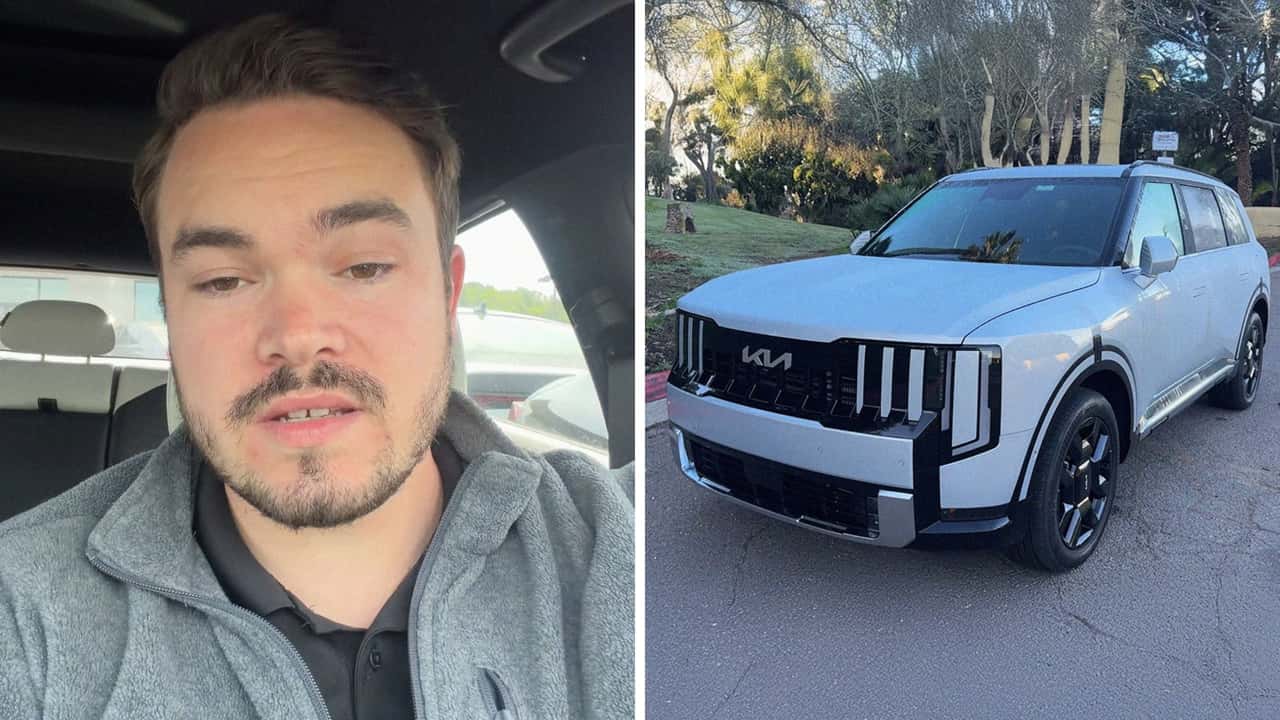
The video from Austin Ariail (@drivenexcellence), sales manager at Matthews Kia of Cartersville, Georgia, takes viewers through what looked like a promising deal, including his trade-in, the customer agreed to a flat $50,000 price. But a few hours later, the number he wanted to pay had lowered by $2,500, meaning the dealership would have lost over $1,000 to complete the sale.
“I’m just working the deal in good faith,” Ariail said at the beginning of the clip that’s been viewed more than 1,400 times. “In my mind, I’m like, ‘OK, well, we already agreed to a deal. You told me you were happy with the deal, and then a few hours go by, and now you’re just wanting to have us move numbers again.’”
The numbers behind that new final price are where the situation starts to tighten. The new Telluride hybrid had a sticker price just over $51,000, and the agreed-upon price, factoring in the trade, yielded a profit of less than $1,000 for the dealership.
By Ariail’s account, the revised ask eliminated that margin and put the dealership in the red.
“We really don’t have much margin in some of these newer cars,” he said, describing the reality of moving newer inventory where pricing is often already competitive.
From the dealership’s perspective, the question was whether it made sense to move forward at all. Letting the vehicle go at a loss might keep the pipeline moving and secure a satisfied customer. But holding firm could mean watching a nearly completed transaction walk out the door.
“Would you … be happy losing a little bit of money to move the unit?” Ariail asked viewers, framing the dilemma in practical terms rather than salesmanship.
The car itself added another layer of complexity. With limited availability and steady demand, it wasn’t a vehicle that was at risk of sitting on the lot unsold for weeks.
In the comments section, viewers offered a glimpse into why some customers might push a deal even after signaling they’re ready to move forward.
One viewer recounted their experience bouncing between dealerships trying to track down a specific trim and color combination, only to run into sales requirements and inconsistent pricing. “This dealer won’t do a dealer trade… other dealers have way too many markups,” they wrote.
Monthly payments also emerged as a sticking point. Small differences on paper pushed some shoppers to keep negotiating even when a deal seemed close. “They both were $150 more a month,” the same commenter noted, describing why they were considering switching brands altogether.
Back at the dealership, the standoff didn’t last long. The two sides went back and forth and ultimately found a number both were willing to accept, even if it didn’t match the initial agreement.
“It is not the agreement initially set upon, but we have come to agreement,” Ariail said without disclosing the final terms. “Customer’s super happy.”
The dealer-side decision-making for cases like this is the part of the sales process that most shoppers never see. New-car deals aren’t just judged on the profit from a single transaction. Dealerships operate on layered incentives, including manufacturer bonuses, volume targets, and monthly quotas, which can make a unit more valuable than its margin suggests.
For many brands, hitting a monthly or quarterly sales target can unlock bonus payments from the automaker. That means a single deal that looks like a loss on paper can still make financial sense if it helps push the store over a threshold.
Reliance on those bonus payments means missing a sales target can cost far more than the dollars lost on an individual sale.
There’s also the matter of inventory flow. Even highly sought-after models can tie up capital while they sit on the lot. Moving them quickly improves liquidity and keeps the lot space open for incoming allocations.
Add in financing, service relationships, and the long-term value of a satisfied customer, and the math on a deal becomes more about the broader business than individual deal terms.
That’s why a late-stage concession like the one we hear about in Ariail’s clip can be seen as a calculated longer-term move instead of a single in-the-red transaction.
Motor1 reached out to Ariail via email and direct message. We’ll update this if they respond.
We want your opinion!
What would you like to see on Motor1.com?
– The Motor1.com Team