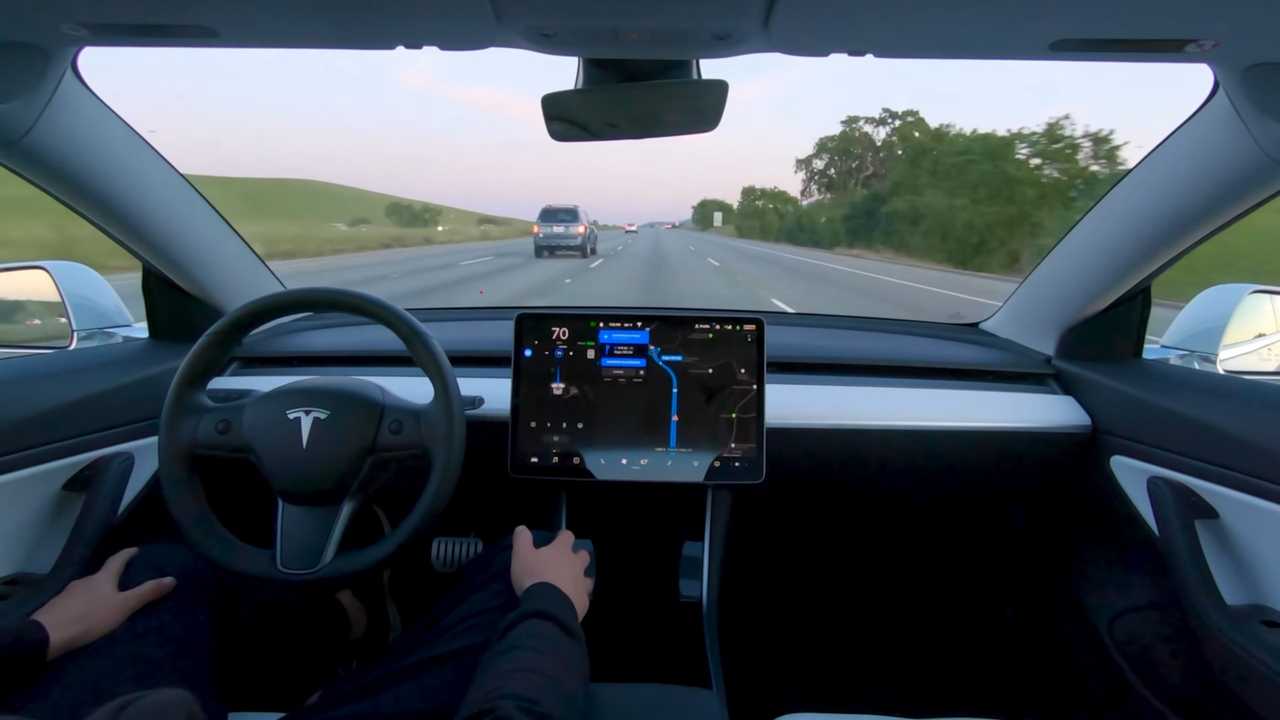
Automatic Collision Evasion in Tesla FSD v14.3.9 can briefly steer, brake, and accelerate on its own to avoid crashes during manual driving.
Tesla is rolling out a feature that can grab the wheel from a driver during a crash, even if that driver never turned on Full Self-Driving. Automatic Collision Evasion, included in FSD Supervised v14.3.9, went to employee cars on September 6 and started reaching North American customers shortly after.
It only activates in last-resort situations and in two specific crash scenarios. It is also the first time Tesla lets FSD reach into a manually driven car and briefly control steering, braking and acceleration.
According to release notes reproduced by Not a Tesla App, Automatic Collision Evasion “activates Full Self-Driving (Supervised) to try to keep your vehicle safe and then continue driving.” That wording shows it can step in even when the driver never activated Tesla’s Full Self-Driving software.
The feature needs two things to work: a car built for North America and an owner who has purchased FSD Supervised and switched it on under Controls, then Self-Driving. Tesla presents it as an emergency backstop, not a convenience tool or a replacement for paying attention.
The rollout lands as regulators already focus on Tesla’s automated systems. NHTSA recently opened an audit into the Cybercab robotaxi’s self-certification, highlighting ongoing scrutiny of the company’s self-driving claims.
That scrutiny includes crash reporting. Under NHTSA’s Standing General Order, Tesla must log crashes where Autopilot or FSD was engaged within 30 seconds of impact.
Scenario one covers an imminent head-on crash on a controlled-access highway, below 85 miles per hour, with no cyclists or pedestrians nearby. If automatic emergency braking alone will not prevent the impact, FSD can steer around the obstacle, change lanes or move onto the shoulder while it adjusts brake or throttle itself.
Scenario two is broader: driver inattention or FSD getting switched off by accident. Between 22.5 miles per hour and 85 miles per hour, on any road, the car can hand control back to FSD and steer to safety. That lower speed limit means Automatic Collision Evasion will not engage at parking lot speeds or when stopped in traffic.
Once it takes over, the accelerator pedal goes dead. Pressing the brake still adds deceleration, but it does not cancel the maneuver. The only way to break FSD’s grip is firm counter-steering, enough force to physically override the system’s input.
Motor1’s Take: That capability shifts liability toward owners, insurers and regulators. Owners should confirm their settings and insurance coverage. Watch for clearer crash reporting and intervention numbers from Tesla. Regulators will use that data to decide whether new limits or rules are needed.
More From Tesla:
We want your opinion!
What would you like to see on Motor1.com?
– The Motor1.com Team