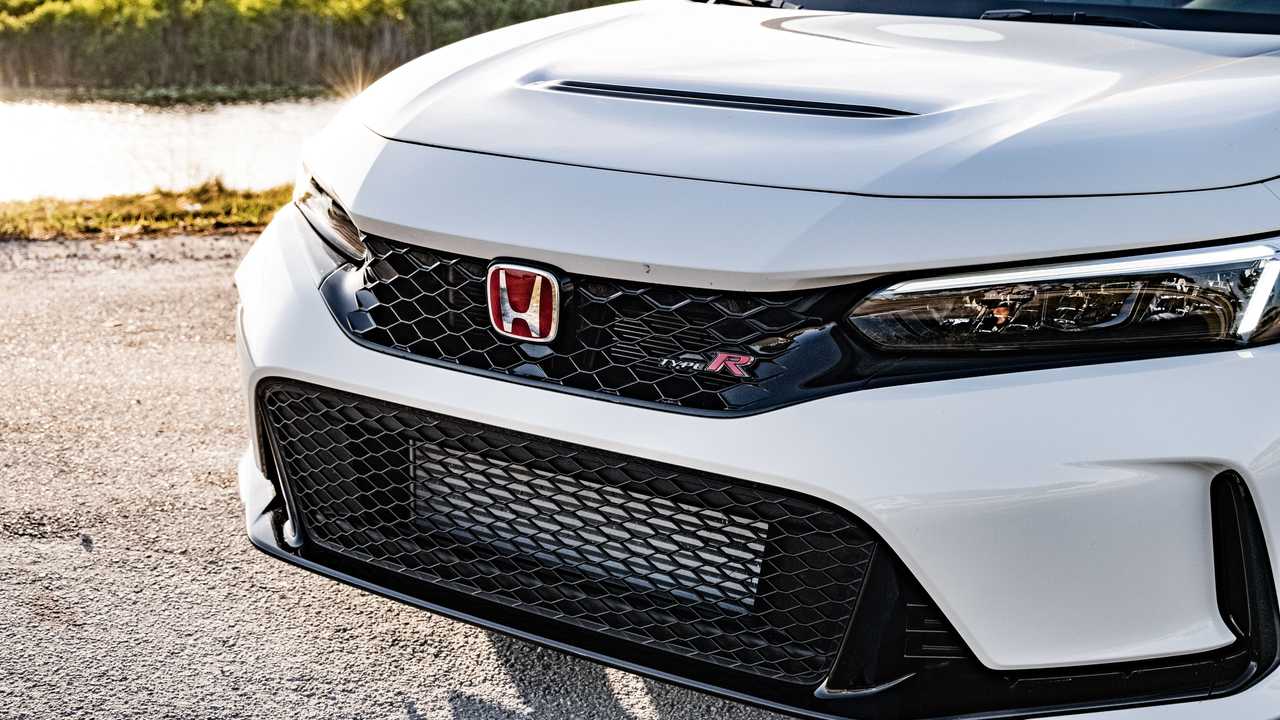
The Japanese company is looking to slash more than $9 billion in supplier costs by 2030.
Honda is putting its suppliers under serious pressure as the Japanese automaker looks for ways to slash costs and fight back against increasingly competitive Chinese carmakers. According to internal documents seen by Reuters, Honda wants to cut almost $10 billion in costs until the end of the decade. As part of that effort to drastically tighten the belt, suppliers have reportedly been told to make what one source described as “extremely large” cost reductions.
The ambitious target calls for roughly 1.5 trillion yen (nearly $9.6 billion at current exchange rates) in savings by 2030. Honda has apparently broken down the cost-cutting exercise into several areas, asking suppliers to reduce prices by as much as 30 percent for pressed and forged components, electrical parts, and hardware associated with software-defined vehicles.
And that’s only part of the story, and the next one might just be even more controversial. Honda is also encouraging suppliers to increase their use of components made in China while shifting more purchasing toward second- and third-tier suppliers producing standardized parts. In other words, the company wants to tap into the cost advantages that have helped Chinese automakers become so competitive.
2026 Honda Hybrid Sedan prototype
Honda’s aggressive cost-cutting drive comes at a particularly difficult time for the company. It has already been forced to rethink its EV strategy after accumulating substantial losses in the segment. The company expects its EV-related losses to reach 2.5 trillion yen (almost $16 billion), and has shifted its focus toward hybrids as demand for fully electric vehicles has not developed as quickly as anticipated.
That’s where the supplier cuts come in. Honda needs to become more competitive on costs across its lineup, regardless of powertrain, while simultaneously finding enough money to invest in electrification, software and other technologies. However, a 30 percent reduction in costs across major categories would be an enormous ask for suppliers already operating in an industry where margins can be razor-thin.
Honda, for its part, did not comment on the specific targets or details of its discussions with suppliers. Through a spokesperson, the automaker said it is working with suppliers around the world to improve competitiveness and reduce costs through greater use of standardized parts.
2026 Honda Hybrid Sedan Prototype and Acura Hybrid SUV Prototype
There’s also an interesting contradiction here. Japanese automakers have traditionally maintained extensive domestic supplier networks, while the broader automotive industry has spent years trying to reduce supply-chain dependence on China for strategic components. However, Honda is now effectively telling its suppliers to look to China if it can lower costs.
That doesn’t necessarily mean Honda plans to fill its cars with Chinese-made parts across the board. But it does show just how much pressure the traditional automotive business is under. If Chinese automakers can build cars with lower-cost components without sacrificing quality, established manufacturers have little choice but to find ways to close the gap.
Motor1’s Take: Honda isn’t the only Japanese automaker reaching for the cost-cutting knife. Nissan is also deep into a major restructuring, with plans to streamline its lineup, reduce production capacity, and cut costs as it tries to recover from years of declining sales and profitability.
Toyota is in a different financial position. As the world’s best-selling automaker for the sixth consecutive year, it remains far stronger than all of its Japanese rivals. Even Toyota, however, isn’t immune to rising costs. Earlier this year, former CEO Koji Sato told suppliers that “unless things change, we will not survive. I want everyone to acknowledge this sense of crisis.”
Put Honda, Nissan, and Toyota together, and a broader trend emerges. Japanese automakers are being squeezed by rising costs just as Chinese manufacturers are getting better at building cars more cheaply and quickly. Honda’s decision to push suppliers toward Chinese parts may therefore be less of an isolated move and more of a sign of where the Japanese auto industry is heading.
Catch Up With Honda:
We want your opinion!
What would you like to see on Motor1.com?
– The Motor1.com Team