“Contact the department of Weights & Measures & file a complaint.”
Most viral complaints about big companies, especially service stations with centralized management, follow a familiar script: outrage, silence, maybe a canned response. But there are rare exceptions where well-aimed customer outreach can result in a happier ending.
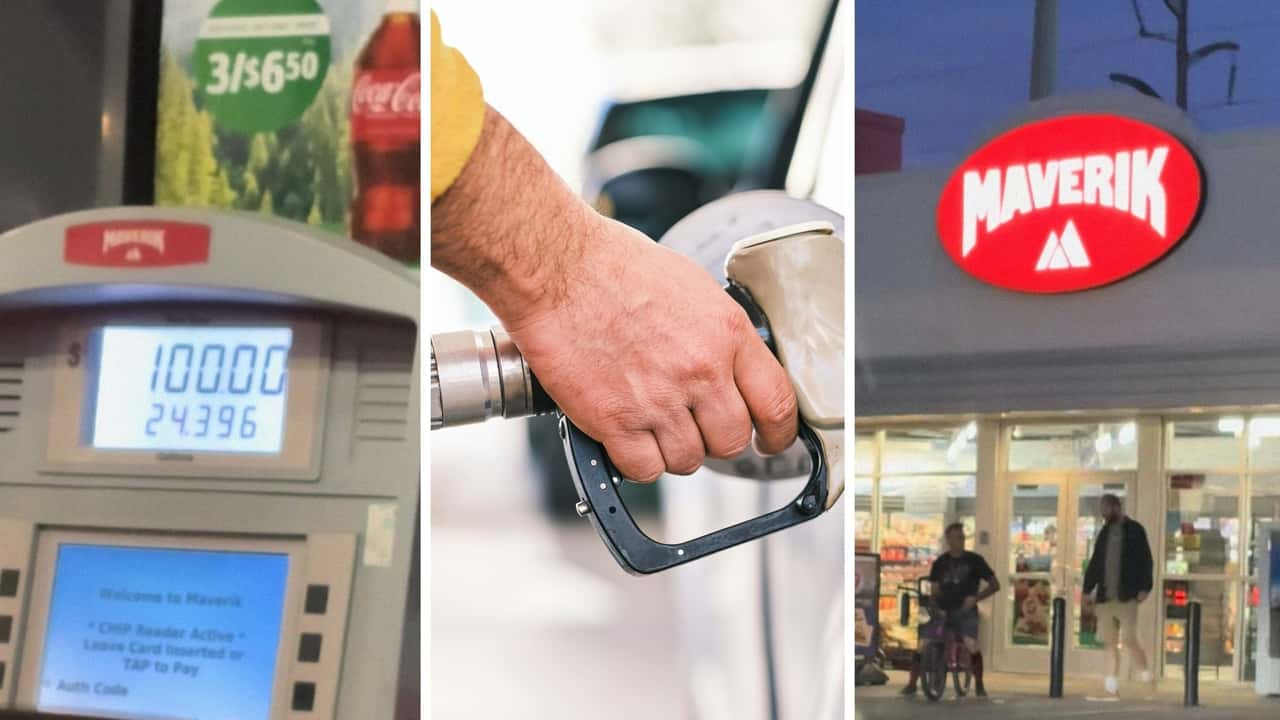
TikToker Alicia Marlene (@alicia.marlene79) used a video filmed outside of a Maverik gas station in Colorado Springs, Colorado, to spread the word about the fuel pump somehow logging more than 24 gallons of gas going into the 18-gallon tank of her Ford Ranger. And the truck’s fuel gauge still only read as being three-quarters full.
“In the three years we’ve ever had our truck, have we [never] put $100 in our tank or put 24 gallons in our truck,” she said in the clip that’s been viewed more than 233,000 times. “Google says that we have an 18-gallon tank, but yet we didn’t fill our tank.”
The numbers looked even stranger because Marlene said the Ranger wasn’t starting the fill-up completely dry. The couple recalled having roughly 50 miles of estimated driving range remaining when they pulled into Maverik.
After the pump recorded 24.396 gallons, Marlene showed the truck’s instrument cluster with the fuel gauge still appearing to sit below full.
“And they can’t help us inside because there isn’t a manager,” she said. “Nor can they refund any of our money, and we don’t even have a full tank of gas.”
For Marlene, that was enough to reach a pretty pointed conclusion.
“So Maverik, what’s going on?” she asked. “Your gas pump is ripping people off.”
There’s an obvious question to answer first: Could the couple’s Ranger really hold that much fuel? At least some U.S.-market Rangers are equipped with an 18-gallon fuel tank; for example, Ford’s specifications for the 2019 Ranger list an 18-gallon capacity.
The numbers shown in the clip are clear and eye-grabbing. The pump display recorded 24.396 gallons, more than six gallons beyond an 18-gallon tank’s rated capacity before factoring in whatever fuel they already had in the tank when they pulled up.
A dashboard’s remaining-range estimate isn’t a direct measurement of gallons left in the tank, and a manufacturer’s listed fuel capacity doesn’t reflect the absolute maximum amount the entire fuel system could physically contain. Still, that doesn’t come close to explaining how several extra gallons appear on a single fill-up and moves the incident into the realm of further testing and investigation.
In Colorado, retail fuel dispensers like those shown at the Maverik station are regulated measuring devices, and state rules require them to be properly installed, accurate, and maintained in that condition by their owners or operators.
The state’s Oil and Public Safety Division says inspectors responding to consumer complaints can examine the pump’s measuring components, including the meter, hose, nozzle, and display, to determine whether they comply with national weights-and-measures standards.
That framework gives motorists an important role in the process and ensures that a suspect fill-up doesn’t end in an argument at the counter. If the gallons charged seem wildly out of line with what a vehicle should have taken, keeping the receipt, noting the station and pump number, and reporting the dispenser gives regulators something specific to investigate.
That is essentially what Marlene did next, with viewers pointing her toward a more useful next step than arguing at the counter.
“Report them [to] Weights and Measures,” one commenter wrote, while another urged her to make sure she documented the specific pump number.
Marlene did just that. In a follow-up video, she said she submitted the original clip and her receipt to state officials, who told her an inspector would be sent to examine the pump.
Then, Maverik responded, too.
“We did have Maverik reach out to us, and they also returned my husband’s phone call,” Marlene said. “They are reimbursing us $75.”
Marlene said the reimbursement was related to the pump’s calibration. An email from a Maverik risk-team employee confirms that the refund was processed, though the message itself does not explain why the company authorized it.
The refund resolves most of the couple’s immediate dispute, but the inspection is the piece that would reveal what actually happened at the pump.
For motorists who encounter similarly suspicious numbers, the useful evidence is straightforward, with Marlene’s actions on scene serving as a good road map: save the receipt, photograph the pump display, note the pump number and station location, and report the dispenser to the state agency that oversees commercial measuring devices.
That info gives inspectors the building blocks they need to test the pump and see whether the amount it claims to dispense matches what actually comes out.
For Marlene, the viral complaint was a satisfyingly rare example of a customer getting a meaningful response from a company, along with a refund, and the expectation of a closer look at the pump.
Motor1 reached out to Marlene via direct message and comment on the clip and to Maverik via email. We will update this if they respond.
We want your opinion!
What would you like to see on Motor1.com?
– The Motor1.com Team